
“I’m most creative at 10pm when I should be winding down. I have energy for exercise at 2pm when I’m supposed to be working. And I’m naturally hungry at times that don’t match any normal meal schedule. Am I broken?”
This question from my client David perfectly captures something I see constantly: people fighting their natural rhythms because they don’t match societal expectations.
David had spent years trying to force himself into a ‘normal’ schedule. Early morning workouts (when he felt sluggish), big lunches (when he wasn’t hungry), and early bedtimes (when his brain was just getting started). The result? Chronic fatigue, low mood, and a constant feeling that he was swimming upstream.
What if I told you that your natural rhythms aren’t random quirks to overcome? They’re information about how your unique system is designed to function optimally.
Your Body’s Internal Orchestra
As Maya Angelou wisely said, “Listen to yourself and in that quietude you might hear the voice of God.” Your body has an internal orchestra, with different systems playing their parts at different times.
These rhythms aren’t the same for everyone. They’re influenced by your genetics, age, life circumstances, and personal history. Fighting them is like trying to force a violin to play bass notes.
Here’s where genetics becomes fascinating: your VDR (Vitamin D Receptor) variants influence not just how you process vitamin D, but also how your circadian rhythms function. This affects everything from when you naturally feel sleepy to what times of day your immune system is most active.
Why Generic Schedules Don’t Work for Everyone
We’ve created a society built around one rhythm: the early bird schedule. Early morning starts, peak productivity in the afternoon, wind down by evening. But this rhythm only works optimally for about 25% of the population.
What about the other 75%? They spend their lives feeling like they’re constantly fighting against their natural flow.
Your VDR variants affect how sensitive you are to light and how your body responds to seasonal changes. This isn’t a character flaw. It’s biological individuality.
Step 1: Discover Your Natural Energy Patterns
What most people do: Force themselves into schedules that work for others without considering their individual rhythms.
What actually works: Track your natural energy, mood, and cognitive patterns without trying to change them first.
Your energy tracking experiment:
For one week, notice when you naturally:
- Feel most alert and focused
- Have physical energy for movement
- Feel hungry
- Start feeling sleepy
- Have creative inspiration
Your VDR variants influence how your energy patterns might change with the seasons. Some people feel much more energetic in summer and naturally slower in winter.
David’s discovery: He realised he was naturally most alert from 2-6 PM and 9 PM-midnight. Trying to be productive at 9 AM was like asking his brain to perform when it was still warming up.
Step 2: Honour Your Light and Seasonal Needs
What most people do: Ignore how light and seasons affect their energy and mood.
What actually works: Understand how your genetic variants affect your light sensitivity and seasonal responsiveness, then work with these patterns.
Light sets your circadian clock, influences your mood, affects your immune function, and regulates hormone production.
Your VDR variants influence:
- How much natural light you need for optimal mood and energy
- How sensitive you are to seasonal changes
- How your sleep-wake cycle responds to light changes
If you have variants that make you more sensitive to seasonal changes:
- You might need bright light therapy in winter
- Morning light exposure becomes crucial
- Your mood and energy might naturally fluctuate with the seasons
If you have variants that affect vitamin D processing:
- Your mood and energy might be more dependent on adequate vitamin D levels
- You might need more sun exposure or supplementation than others
Notice how different types of light affect your energy. Pay attention to how the changing seasons affect your appetite, sleep needs, and motivation.
David realised he felt much more energetic during longer summer days. Instead of fighting his lower winter energy, he learned to plan lighter schedules during darker months.
Step 3: Design Your Life Around Your Rhythms
What most people do: Accept that they have to live according to schedules that don’t suit them and try to force adaptation through willpower or stimulants.
What actually works: Find creative ways to honour your natural rhythms within the constraints of your actual life.
Small adjustments in alignment with your rhythms can create dramatic improvements in how you feel.
Working with your energy peaks:
- Schedule important work during your natural high-energy times
- Protect peak creative hours for activities that matter most
- Use lower energy times for routine tasks
Working with your seasonal patterns:
- Plan bigger projects during seasons when you have more natural energy
- Allow for more rest during seasons when your body naturally slows down
David negotiated flexible work hours that allowed him to start later and work into early evening. He scheduled creative projects for late evening hours and used his natural afternoon energy peak for exercise. His productivity and mood improved dramatically.
Common Rhythm Myths That Keep You Stuck
Myth 1: “Everyone should be most productive in the morning” Reality: About 25% of people are natural early birds, 25% are night owls, and 50% are somewhere in between.
Myth 2: “You can train yourself to be a morning person” Reality: Your chronotype is largely genetic. You can shift it slightly, but dramatic changes often come at the cost of wellbeing.
Myth 3: “Seasonal mood changes are just in your head” Reality: Your VDR variants genuinely affect how your body responds to seasonal light changes.
Creating Rhythm Flexibility in a Rigid World
You might be thinking, “This sounds lovely, but I have commitments that don’t care about my natural rhythms.”
But you might have more flexibility than you realise:
At work: Could you negotiate slightly different hours? Can you protect your peak energy times for your most important tasks?
At home: Can you shift meal times to match your natural hunger? Could you adjust your wind-down routine to honour your natural sleep rhythm?
With family: Can family activities be planned during times when everyone has good energy?
Small adjustments can create significant improvements in how you feel and function. for different tasks based on their natural rhythms?
Small adjustments can create significant improvements in how you feel and function.
Seasonal Wisdom: Working With Nature’s Rhythms
Your VDR variants affect how much your energy naturally fluctuates with the seasons. Instead of fighting this, what if you planned your year around these natural rhythms?
Spring: Natural energy increases, good time for new projects
Summer: Peak energy and social time, great for challenging goals
Autumn: Harvest time, good for completing projects
Winter: Natural slowing down, perfect for reflection and restoration
Try working with your body’s natural wisdom.
Your Rhythms Are Your Superpowers
When you stop fighting your natural rhythms and start working with them, you stop feeling like you’re constantly swimming upstream.
Your energy increases because you’re not wasting it fighting your natural patterns, your mood improves because you’re honouring your body’s needs, your productivity increases because you’re working with your peak performance times.
What Steps Do I Take Next?
Download my free Nervous System TOOLKIT – A helpful resource you can take anywhere
Book a Discovery Call HERE – If you’re ready to dive deeper into your personal Happy Reset blueprint
If you’re a HR manager or Executive looking for high-tier coaching – Take a look at the WORKPLACE RESET page to get support for your teams and employees
If you’d like to book me for your event, keynote or podcast – Fill out this FORM
Remember: Your rhythms aren’t quirks to fix. They’re wisdom to follow. And you deserve a life that flows with your natural design.
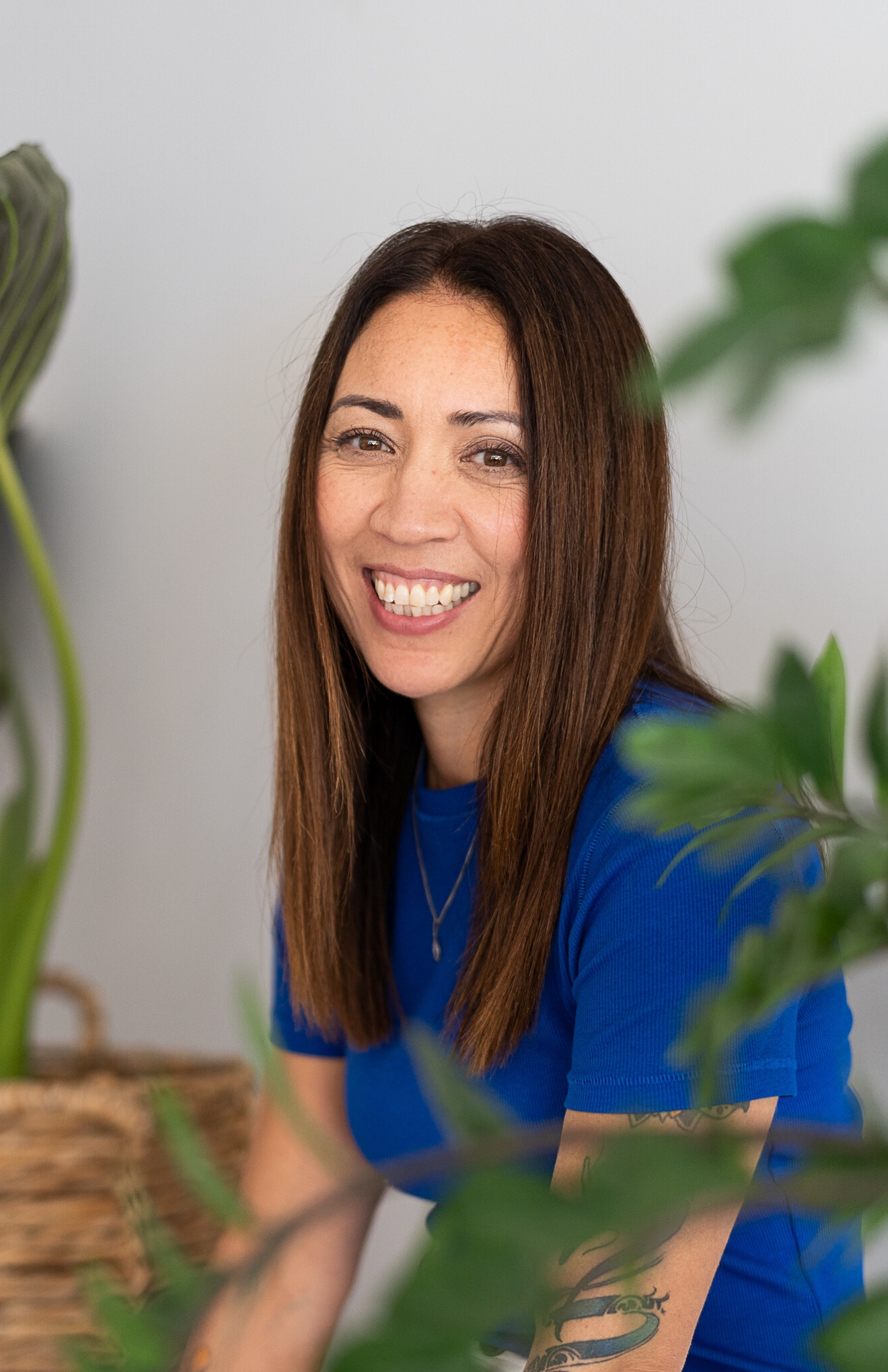
I am the founder of The Happy Reset and an integrative wellbeing practitioner specialising in nervous system health, anxiety, intergenerational trauma patterns, women’s health, and nutrigenomics. My mission is to help you move beyond ‘overriding’ your body and start understanding the messages behind your symptoms.
My Expertise & Qualifications: With over 20 years of experience in community-based settings and corporate wellness, I bridge the gap between complex science and lived experience. I am a:
Member of BAATN – The Black, African and Asian Therapy Network.
Member of ACCPH – Accredited Counsellors, Coaches, Psychotherapists and Hypnotherapists.
International Certified Brainspotting Practitioner – Phases 1-4, Group Brainspotting and Masterclass.
Certified TRE® Provider – Tension & Trauma Release Process, and member of TRE International.
Healing Diets Coach – with a specialism in Nervous System Nutrigenomics
Functional Fitness Coach – Level 4 and UK Athletics Coach
With an Integrative Approach to Healing – I work with individuals and groups who feel wired, depleted, or disconnected – often as a result of chronic stress, hormonal shifts, chronic fatigue, or inherited family patterns. My approach is deeply personal, shaped by my own journey through developmental trauma, medical intervention, menopause, and professional burnout.
By combining trauma-informed movement, genetics, and body-led practices, I translate complex physiological concepts into grounded, accessible insights you can use in daily life.
Speaking & Impact: I am a featured facilitator and speaker at Transform Trauma (The world’s largest trauma conference), The Therapy Show, and various festivals.
Written for Liz Earle Wellbeing and have delivered workshops and events for global organisations such as GE Healthcare, GE Power and Kiddylicious.
Based in Beaconsfield and London, I offer education and resources online and in-person through The Happy Reset – designed to support sustainable change across mind, body, and nourishment.
Learn More about services: Brainspotting | Trauma Release | Nutrigenomics
Connect with me on LinkedIn | Explore nervous system resources on YouTube