
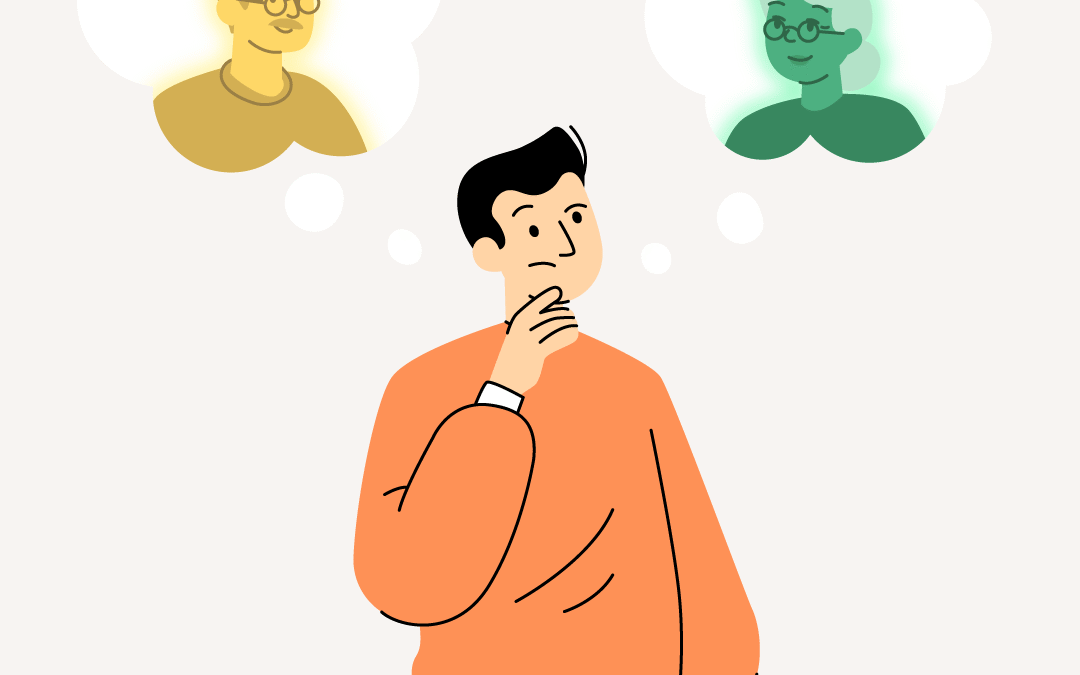
What Stress Looks Like
The email comes in and immediately your stomach knots. It’s that client, the one that presses all your buttons, asking for yet another last-minute change to the project. Before you even open it, your mind starts spinning out worst-case scenarios, your breath gets short and the tension headache starts creeping in. What is it about this that feels so painfully familiar?
We like to think our stress responses come out of nowhere, but the truth is, so much of how we react to pressure started long before we stepped into the conference room or opened our inboxes. The way our system meets the world – with openness or guardedness, from a place of calm or hypervigilance, with trust or trepidation – that’s a blueprint laid down in our earliest years as we absorbed how the adults around us navigated their own stresses and strains.
And those adults? They got it from their parents and the lines of ancestors stretching back before them. Anxiety, that persistent feeling that something’s about to go wrong, is often a legacy passed down through generations. It’s the steadfast companion of families that have weathered wars, displacements, deprivations. The kind that had to keep one eye always open, scanning the horizon for threats. The ones who could never quite come to rest or trust the ground beneath them.
When Pressure Pathways Get Entrenched
But even in families without stark trauma histories, patterns of meeting the world get grooved over time. If mum always fretted that there wouldn’t be enough – enough food, enough money, enough time – and met each bill and school form with a fresh wave of worry, guess what lesson we learned about life? If dad’s only way of coping with work pressure was a few stiff drinks every night, where do you think we turned when stress mounted in our own lives?
We absorbed it all, every eye roll and snapped retort, each “just toughen up” and “don’t air our dirty laundry”. Without meaning to, we became students of how to handle our humanness, what to do with discomfort and need. And even with the most loving, well-meaning parents, sometimes the models they had to work from were pretty limited.
When Bodies Hold The Trauma
What tends to happen is that those ways of responding to stress and emotion, especially the more difficult ones, they get embedded in our nervous system from a young age. It’s like our wiring gets encoded with a certain set point for how much tension it takes on as normal and how readily it sounds the alarm bells when something tips us over that line.
So years later, when our toddler pitches a wobbly in Tesco or that client pushes for a discount, our body kicks into high alert as if it’s a matter of life or death. Because to our nervous system, primed for danger from way back, it genuinely feels that way. Even when our rational adult brain knows it’s just a passing squall, the old survival instincts hum beneath the surface, colouring everything with unease.
Hormones Amplify The Patterns
And perimenopause, that time of hormonal upheaval that no one quite prepares us for, has a way of dialing up the volume on all of this. As oestrogen starts to wane and the intricate dance between our hormones and nervous system shifts into a new rhythm, it’s like all our stress wiring gets extra sensitive.
What we may have navigated with a little more equilibrium in our 20s and early 30s – the competing demands, the endless logistics, the feeling of never quite keeping all the balls in the air – suddenly feels insurmountable. Hot flushes ambush us in the middle of meetings. Brain fog descends at the worst moments. Anxiety churns at 3am. It’s like perimenopause takes our lifelong patterns and turns up the heat, forcing us to find a new way through.
Re-Patterning Trauma Is Possible
But here’s the thing: Just as those old responses settled into our system, we can invite new ones to take root. It’s not about overhauling ourselves overnight or forcing our way through. Goodness knows that approach tends to just layer more pressure on top of pressure. What works is learning to befriend our nervous system, to listen to what it’s trying to signal to us beneath all the noise.
Those flutters in our chest, the tension in our jaw, the bone-deep fatigue that has us eyeing the exit halfway through dinner – they’re all pieces of the story our body is trying to tell us. The story of depletion and the old scripts that have us soldiering on. The story of the load we’ve been carrying without enough support. The story of needs unmet and boundaries overridden.
When we slow down enough to listen, with more curiosity than judgement, we start to get clearer on what truly nourishes us. We start to question the absolute necessity of the commitments that eat away at our margins. We recognise the tell-tale flare of resentment as a sign that some rebalancing is in order. Slowly, responsively, we start to unwind the old patterns and make space for a new way of being. One that allows for rest, for limits, for asking for help.
The New Pathways Take Practice
It’s subtle work, more akin to learning a new language than following a mapped-out plan. The neural grooves of stress and overextension have been carved over decades, since our earliest days. They won’t transform overnight just because our thinking minds have decided it’s time for a change.
We need to give ourselves grace as we wobble along, taking two steps forward and one back. To surround ourselves with others committed to finding a more sustainable way. To anchor ourselves with practices that settle our system and remind us, day by day, that a different rhythm is possible. It’s not a quick fix, but with time, the new pathways become the ones we travel with ease. Until one day we realise that the old stress patterns have faded into the distance, and we’ve found our way home to ourselves.
Want to find your way to that more easeful rhythm? Reach out about 1:1 mentorship opportunities. With the right support and some compassionate persistence, it’s entirely possible to chart a new course.
Take the Next Step
Download my free Nervous System TOOLKIT – A helpful resource you can take anywhere
Book a Discovery Call HERE – If you’re ready to dive deeper into your personal Happy Reset blueprint
If you’re a HR manager or Executive looking for high-tier coaching – Take a look at the WORKPLACE RESET page to get support for your teams and employees
If you’d like to book me for your event, keynote or podcast – Fill out this FORM
Remember – When the mind remembers a challenge or trauma, the body will always react in some way no matter how small. That felt sense can be the beginning to a gate opening. It’s up to you how wide you leave it open and for how long
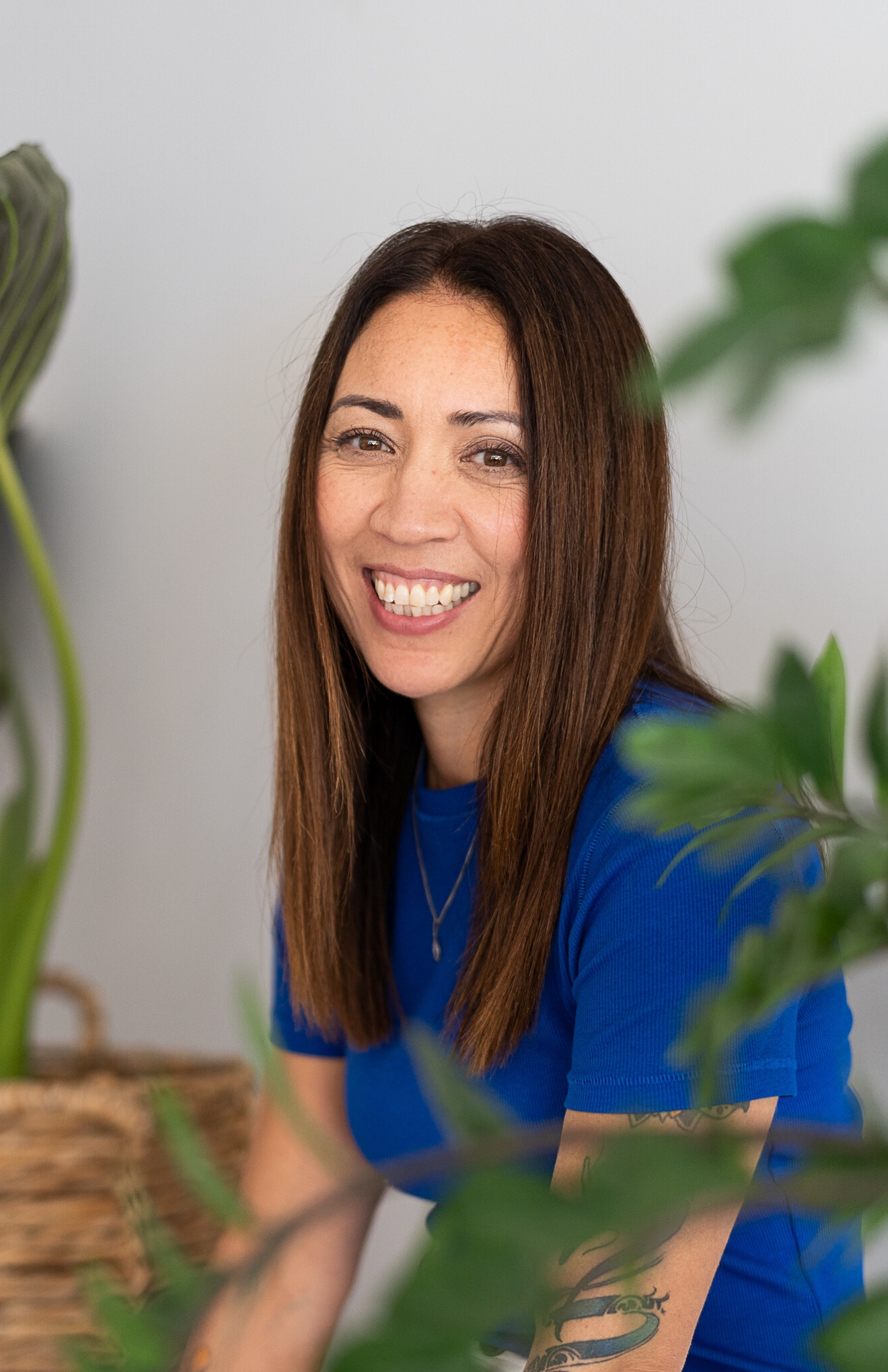
I am the founder of The Happy Reset and an integrative wellbeing practitioner specialising in nervous system health, anxiety, intergenerational trauma patterns, women’s health, and nutrigenomics. My mission is to help you move beyond ‘overriding’ your body and start understanding the messages behind your symptoms.
My Expertise & Qualifications: With over 20 years of experience in community-based settings and corporate wellness, I bridge the gap between complex science and lived experience. I am a:
Member of BAATN – The Black, African and Asian Therapy Network.
Member of ACCPH – Accredited Counsellors, Coaches, Psychotherapists and Hypnotherapists.
International Certified Brainspotting Practitioner – Phases 1-4, Group Brainspotting and Masterclass.
Certified TRE® Provider – Tension & Trauma Release Process, and member of TRE International.
Healing Diets Coach – with a specialism in Nervous System Nutrigenomics
Functional Fitness Coach – Level 4 and UK Athletics Coach
With an Integrative Approach to Healing – I work with individuals and groups who feel wired, depleted, or disconnected – often as a result of chronic stress, hormonal shifts, chronic fatigue, or inherited family patterns. My approach is deeply personal, shaped by my own journey through developmental trauma, medical intervention, menopause, and professional burnout.
By combining trauma-informed movement, genetics, and body-led practices, I translate complex physiological concepts into grounded, accessible insights you can use in daily life.
Speaking & Impact: I am a featured facilitator and speaker at Transform Trauma (The world’s largest trauma conference), The Therapy Show, and various festivals.
Written for Liz Earle Wellbeing and have delivered workshops and events for global organisations such as GE Healthcare, GE Power and Kiddylicious.
Based in Beaconsfield and London, I offer education and resources online and in-person through The Happy Reset – designed to support sustainable change across mind, body, and nourishment.
Learn More about services: Brainspotting | Trauma Release | Nutrigenomics
Connect with me on LinkedIn | Explore nervous system resources on YouTube