

“I’m sleeping eight hours a night but I wake up feeling like I’ve been hit by a truck. What’s wrong with me?”
This was the question that launched my client Rachel into a two-year quest to fix her sleep. She tried everything: sleep hygiene protocols, magnesium supplements, blackout curtains, white noise machines, meditation apps. She even went to a sleep clinic.
The result? Eight hours of technically ‘good’ sleep that left her feeling absolutely exhausted.
Here’s what Rachel discovered: sleep and rest aren’t the same thing. And sometimes, no amount of sleep will restore you if your nervous system never actually gets to rest.
Why Sleep Doesn’t Always Equal Rest
As Arianna Huffington wisely said, “We are not machines. We are human beings who need to recharge.” But what if you’re trying to recharge with the wrong type of rest?
We’ve been told that eight hours of sleep is the magic number. Get your eight hours, and you should wake up refreshed and ready for the day. But what if your body needs a different kind of rest entirely?
Your nervous system doesn’t operate on a sleep schedule. It operates on a safety schedule. And if your nervous system doesn’t feel safe, you can sleep for ten hours and still wake up depleted.
This is where your genetics become relevant. Your APOE variants influence how your brain processes and clears toxins during sleep. If you have APOE4 variants, your brain might need more support during the detoxification process.
Understanding Your Body’s Rest Requirements
Rest is as much about nervous system quality as it is about sleep quantity. Your body needs different types of rest depending on what kind of depletion you’re experiencing.
Physical rest is what most people think of as sleep and relaxation. But you also need mental rest from decision-making, emotional rest from managing other people’s feelings, sensory rest from overstimulation, and social rest from being ‘on’ for others.
If you’re only addressing physical rest but ignoring the others, you’ll continue feeling depleted no matter how much you sleep.
Sign 1: You Sleep, But Don’t Feel Restored
What it looks like: You follow all the sleep rules, get your eight hours, but wake up feeling groggy and unrested. You might sleep through the night but feel like you never went into deep sleep. Or you dream intensely all night and wake up feeling like you’ve been working instead of resting.
What’s actually happening: Your nervous system is staying partially activated even during sleep. This might be due to unprocessed stress, environmental factors, or your body’s inability to properly detoxify during the night.
The genetic piece: Your APOE variants affect how efficiently your brain clears waste products during sleep. If you have APOE4 variants, this natural detoxification process might be less efficient, meaning you need more support for truly restorative sleep.
What your body might need:
- Earlier down-regulation in the evening
- Less screen time and emotional stimulation before sleep
- A cooler sleep environment
- Nutritional support for brain detoxification
- Processing daily stress instead of carrying it into sleep
Why this matters: If your brain can’t properly clear metabolic waste during sleep, you’ll wake up feeling cloudy and unrested no matter how long you slept.
Rachel discovered that her evening routine of watching emotionally intense TV shows was keeping her nervous system activated. When she switched to gentle music or reading, her sleep quality transformed.
Sign 2: You Can’t Switch Off Even When You Have Time to Rest
What it looks like: You finally have a free afternoon or weekend morning, but instead of feeling refreshed, you feel restless. You can’t seem to enjoy the downtime. Your mind races with all the things you should be doing, or you feel guilty for resting.
What’s actually happening: Your nervous system has been in activation mode for so long that it’s forgotten how to down-regulate. It’s like having a car stuck in drive when you’re trying to park.
The APOE connection: People with APOE4 variants often have more active inflammatory responses to stress. This means your nervous system might need more intentional support to shift from activation to rest mode.
What your nervous system needs:
- Permission to rest without productivity
- Gentle transitions between activity and rest (not sudden stops)
- Activities that signal safety to your body
- Understanding that learning to rest is a skill, not a given
Practical approaches: Start with tiny moments of rest rather than trying to force long periods of relaxation. Five minutes of sitting outside might be more restorative than an hour of lying down feeling guilty.
Pay attention to what activities actually feel restful to your body versus what you think should feel restful.
Sign 3: You Feel More Tired After Relaxing Activities
What it looks like: You try yoga and feel more agitated. Meditation makes you anxious. Spa days leave you feeling depleted. Activities that are supposed to be restful actually drain you more.
What’s actually happening: Your nervous system is being asked to do something it’s not ready for. It’s like asking someone who’s hyperventilating to take deep breaths. The intention is good, but the timing is wrong.
The genetic factor: Your APOE variants affect how your brain responds to different types of stimulation. What’s calming for someone else might be overstimulating for your particular nervous system.
Why relaxing activities might drain you:
Forced stillness when you need movement: If your nervous system is activated, being forced to lie still might increase anxiety.
Group activities when you need solitude: Even relaxing activities can be draining if they require social energy you don’t have.
Overstimulation disguised as relaxation: Spa treatments can be overwhelming for sensitive nervous systems.
Pressure to relax correctly: If you’re trying to force relaxation, you’re creating more stress, not less.
What your body might need instead:
- Movement that feels good rather than prescribed relaxation
- Solitude instead of group activities
- Simple, non-demanding activities
- Permission to rest in whatever way feels right for your body
Creating Your Personal Rest Prescription
The goal isn’t to follow someone else’s rest routine. Instead discover what actually restores your particular nervous system.
For your body: Notice what physical positions and environments help you feel most at ease. Some people need weight (heavy blankets), others need lightness.
For your mind: Identify what gives your mental energy a break. This might be creative activities, nature, or complete mental silence.
For your emotions: Determine what helps you process daily emotional residue. This might be journaling, talking to someone, or creative expression.
For your genetics: Understanding your APOE variants can guide you towards the types of rest that work best for your brain’s natural detoxification processes.
The Inflammation-Rest Connection
Here’s something important about APOE4 variants and rest: inflammation interferes with restorative sleep. If your brain is dealing with inflammation, it can’t rest and repair effectively.
This creates a cycle: poor rest leads to more inflammation, which leads to poorer rest. Breaking this cycle requires addressing both simultaneously.
Anti-inflammatory support for better rest:
- Foods that reduce brain inflammation (omega-3s, antioxidant-rich vegetables)
- Stress reduction practices that work for your nervous system
- Gentle movement that supports circulation without creating more stress
Rest as Revolutionary Act
In a culture that glorifies busyness and treats rest as laziness, truly resting becomes a revolutionary act. Your body’s need for rest is not an inefficiency, it is a biological necessity.
Your rest needs are as individual as your fingerprints. What matters is finding what actually restores your particular system.
Understanding your APOE variants helps you approach rest with more self-compassion. Instead of wondering why you need more recovery time than others, you can focus on giving your system what it needs to truly restore.
Take the Next Steps
Download my free Nervous System TOOLKIT – A helpful resource you can take anywhere
Book a Discovery Call HERE – If you’re ready to dive deeper into your personal Happy Reset blueprint
If you’re a HR manager or Executive looking for high-tier coaching – Take a look at the WORKPLACE RESET page to get support for your teams and employees
If you’d like to book me for your event, keynote or podcast – Fill out this FORM
Remember: Rest isn’t earned through exhaustion. It’s your birthright. And you deserve to discover what truly restores your unique system.
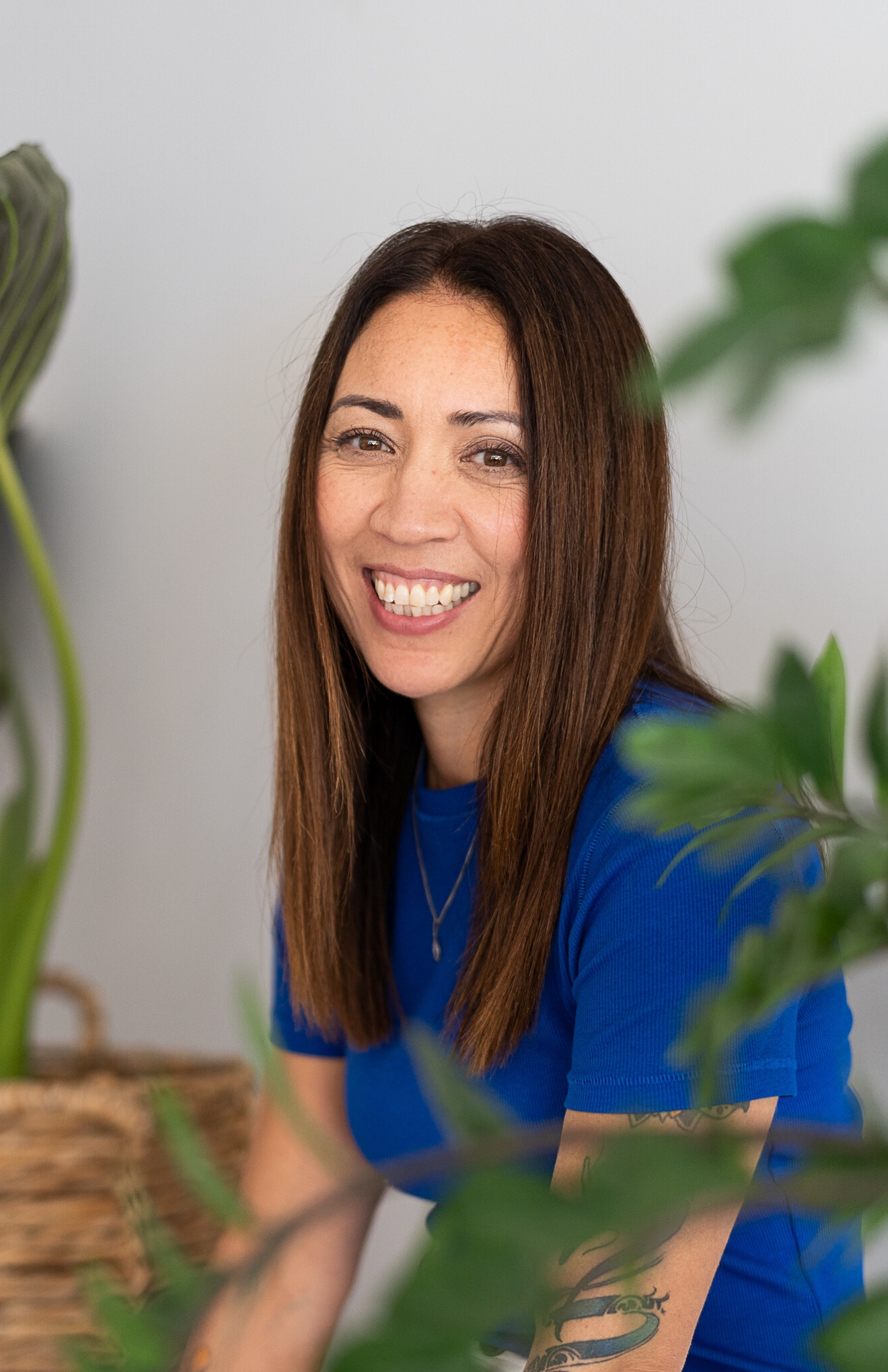
I am the founder of The Happy Reset and an integrative wellbeing practitioner specialising in nervous system health, anxiety, intergenerational trauma patterns, women’s health, and nutrigenomics. My mission is to help you move beyond ‘overriding’ your body and start understanding the messages behind your symptoms.
My Expertise & Qualifications: With over 20 years of experience in community-based settings and corporate wellness, I bridge the gap between complex science and lived experience. I am a:
Member of BAATN – The Black, African and Asian Therapy Network.
Member of ACCPH – Accredited Counsellors, Coaches, Psychotherapists and Hypnotherapists.
International Certified Brainspotting Practitioner – Phases 1-4, Group Brainspotting and Masterclass.
Certified TRE® Provider – Tension & Trauma Release Process, and member of TRE International.
Healing Diets Coach – with a specialism in Nervous System Nutrigenomics
Functional Fitness Coach – Level 4 and UK Athletics Coach
With an Integrative Approach to Healing – I work with individuals and groups who feel wired, depleted, or disconnected – often as a result of chronic stress, hormonal shifts, chronic fatigue, or inherited family patterns. My approach is deeply personal, shaped by my own journey through developmental trauma, medical intervention, menopause, and professional burnout.
By combining trauma-informed movement, genetics, and body-led practices, I translate complex physiological concepts into grounded, accessible insights you can use in daily life.
Speaking & Impact: I am a featured facilitator and speaker at Transform Trauma (The world’s largest trauma conference), The Therapy Show, and various festivals.
Written for Liz Earle Wellbeing and have delivered workshops and events for global organisations such as GE Healthcare, GE Power and Kiddylicious.
Based in Beaconsfield and London, I offer education and resources online and in-person through The Happy Reset – designed to support sustainable change across mind, body, and nourishment.
Learn More about services: Brainspotting | Trauma Release | Nutrigenomics
Connect with me on LinkedIn | Explore nervous system resources on YouTube