

“I feel like I’m just going through the motions of life. I do all the things I’m supposed to do, but nothing feels exciting or meaningful anymore. I can’t remember the last time I felt truly alive rather than just functional.”
This hollow confession from my client Adrienne revealed something I see increasingly often: people who are surviving beautifully but no longer thriving. They’ve become so focused on managing responsibilities that they’ve lost touch with what actually brings them joy and vitality. Adrienne had spent years adapting by becoming more efficient and responsible. But somewhere in becoming a perfectly functioning adult, she’d disconnected from what made life feel worth living.
Understanding the Difference Between Functioning and Thriving
Functioning means you can meet responsibilities and get through days without falling apart. You’re surviving, but not necessarily living. Thriving means you feel genuinely engaged with life, experience regular moments of joy, and have energy from doing things that align with your authentic self.
Many people spend years functioning so well that they don’t realise they’ve stopped thriving. They mistake the absence of crisis for the presence of wellbeing.
As Virginia Woolf wisely said, “Yet it is in our idleness, in our dreams, that the submerged truth sometimes comes to the top.” Your aliveness often emerges not in busyness, but in quiet moments when you allow yourself to simply be.
Through The Happy Reset 3-Step Process, reconnecting with what makes you feel alive isn’t selfish. It’s essential for sustainable wellbeing and often becomes the foundation for everything else working better.
Your SLC6A4 variants affect your serotonin system, which plays a crucial role in mood, motivation, and your ability to experience pleasure. Understanding these variants helps explain what experiences are most likely to help you feel alive again.
Why We Disconnect from Aliveness
Somewhere along the way, many of us learn that being responsible means suppressing our authentic desires. We’re told that adults don’t have time for play, that practical considerations should override personal preferences, and that duty matters more than joy.
We develop identities built around being reliable and productive rather than authentic and passionate. We learn to ignore what we want in favour of what we should want.
Adrienne’s disconnection: “I realised I hadn’t asked myself what I actually wanted to do for years. I just did whatever needed to be done next.”
Way 1: Reconnect with Your Body’s Pleasure and Aliveness Signals
What most people try: Think their way back to joy by analysing what they used to enjoy or should enjoy.
What actually works: Pay attention to your body’s subtle signals about what feels expansive and energising versus contractive or draining.
Your body knows what makes you feel alive, even when your mind has forgotten. Your nervous system responds differently to activities that align with your authentic self versus activities you do out of obligation.
Your SLC6A4 variants influence how sensitively your nervous system responds to different types of stimulation and pleasure. Some variants make you more sensitive to subtle forms of joy, others might need more intense experiences.
Body signals of aliveness: Feeling more energised after an activity. Natural expansion in your breathing. Time passing quickly because you’re absorbed. Physical lightness. Feeling more like yourself rather than performing a role.
Body signals of life-draining activities: Feeling depleted even if the activity was ‘good for you’. Physical tension during or after. Feeling like you’re forcing yourself through the experience.
Adrienne’s body wisdom: She noticed that cooking made her relax, whilst networking events made her chest tight even though she thought they were important.
Practical body awareness: Notice your posture and breathing during different activities. Pay attention to your energy levels before and after experiences.
Way 2: Experiment with Forgotten or Suppressed Interests
What most people try: Stick with activities they know are appropriate for their age or situation, even if these don’t bring them joy.
What actually works: Give yourself permission to explore interests that might seem impractical or unusual, but that spark genuine curiosity or excitement.
Many of us suppress interests that don’t fit our adult identities or seem frivolous. But aliveness often comes from reconnecting with parts of ourselves that we’ve deemed inappropriate or impractical.
Your SLC6A4 variants influence what types of activities feel most engaging to your nervous system. Some variants might be drawn to quieter pursuits, others might need more dynamic experiences.
Categories of suppressed aliveness: Creative pursuits you abandoned because they weren’t practical. Physical activities you loved as a child. Social experiences you avoid because they seem silly. Simple pleasures you’ve labelled wasteful.
Adrienne’s experimentation: She remembered loving to paint as a teenager but had abandoned it for more serious pursuits. When she bought watercolours and spent Saturday mornings painting, she felt more alive than she had in years.
Guidelines for experimentation: Start small with low-commitment experiments. Give yourself permission to be bad at things initially. Allow interests to evolve without pressure to turn them into achievements.
What gets in the way: Believing adults shouldn’t have frivolous interests. Feeling guilty about time spent on non-productive activities.
Way 3: Create Regular Aliveness Practices That Work with Your Genetics
What most people try: Force themselves into generic self-care practices without considering what actually works for their nervous system.
What actually works: Develop personalised practices for reconnecting with aliveness that match your SLC6A4 variants and individual responsiveness patterns.
What makes one person feel alive might bore or overwhelm another. Creating sustainable aliveness requires understanding your individual patterns rather than following one-size-fits-all advice.
If you have SLC6A4 variants associated with higher sensitivity: You might feel most alive through subtle, contemplative experiences. Overstimulating activities might drain rather than energise you.
If you have variants associated with lower sensitivity: You might need more stimulating experiences to feel truly alive. You might thrive on challenge or high-energy pursuits.
Adrienne’s personalised approach: Her higher sensitivity variants meant she felt most alive through quiet creative pursuits, intimate conversations, and gentle nature experiences.
Practical aliveness integration: Schedule regular time for activities that make you feel alive. Protect this time as fiercely as important work commitments.
The Ripple Effects of Aliveness
When you reconnect with what makes you feel alive, everything else often improves. Your energy increases because you’re doing things that energise rather than drain you. Your relationships improve because you bring more authentic engagement.
Adrienne’s Aliveness Revolution: “I thought focusing on what made me feel alive was selfish. But when I started painting again and taking evening walks, I became a better employee, partner, and person.”
How The Happy Reset 3-Step Process Restores Aliveness
Step 1 – Body: Understanding your SLC6A4 variants helps explain what types of experiences create genuine aliveness for your nervous system.
Step 2 – Mind: Processing beliefs about responsibility and pleasure that disconnect you from your authentic desires.
Step 3 – Food: Discovering how nutrition can support your serotonin function and capacity for experiencing pleasure.
Permission to Feel Alive
You don’t have to earn the right to feel alive by completing all your obligations first. Aliveness is your birthright, not a reward for perfect adult behaviour.
The part of you that knows what brings genuine joy is waiting patiently for permission to emerge and guide you back to what makes life feel worth living.
The world doesn’t need more perfectly functioning but joyless people. It needs people connected to their authentic sources of energy and enthusiasm.
Take the Next Step
Download my free Nervous System TOOLKIT – A helpful resource you can take anywhere
Book a Discovery Call HERE – If you’re ready to dive deeper into your personal Happy Reset blueprint
If you’re a HR manager or Executive looking for high-tier coaching – Take a look at the WORKPLACE RESET page to get support for your teams and employees
If you’d like to book me for your event, keynote or podcast – Fill out this FORM
Remember: Feeling alive is essential for sustainable wellbeing, and you deserve to remember what makes your life feel truly worth living.
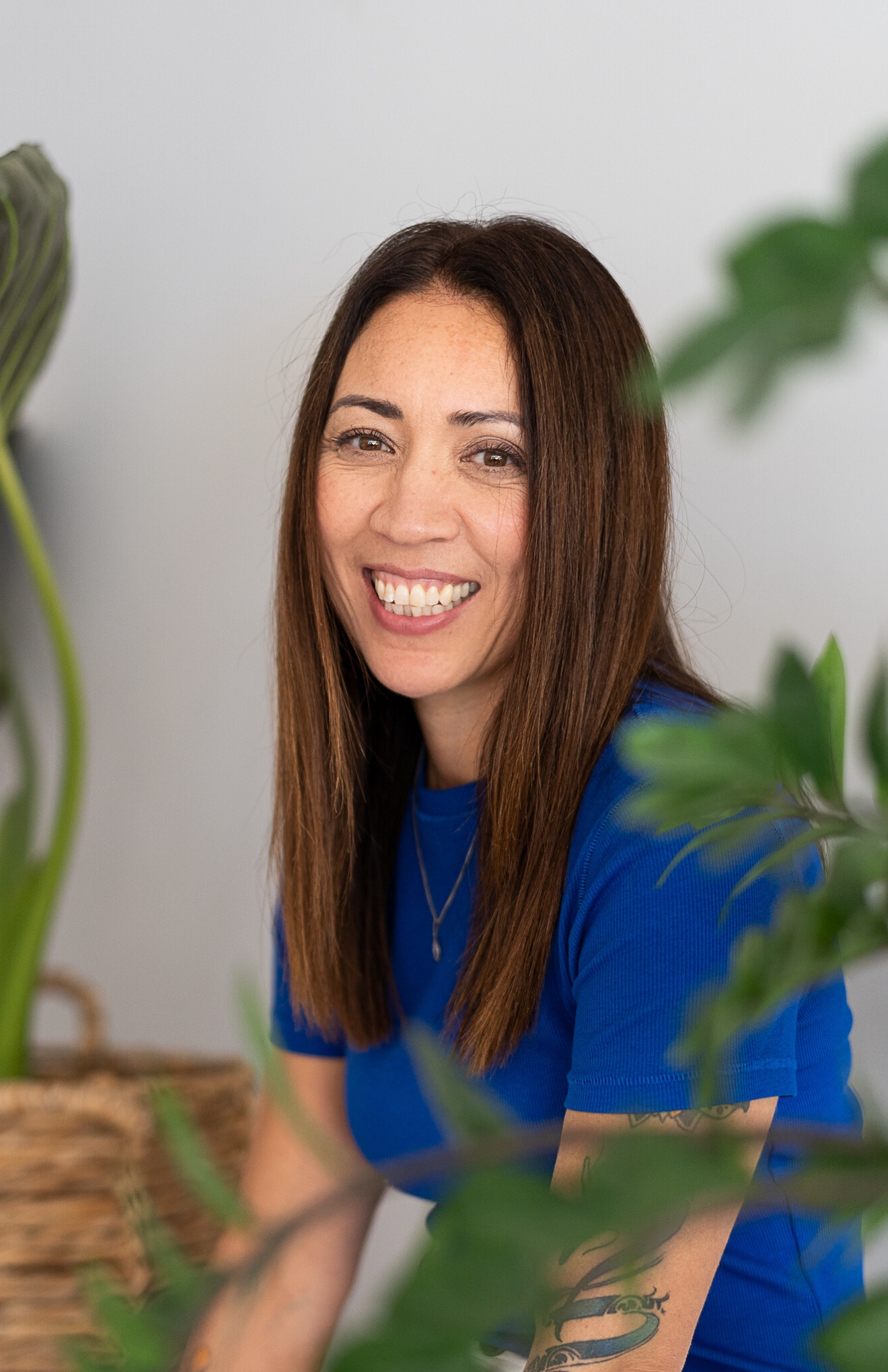
I am the founder of The Happy Reset and an integrative wellbeing practitioner specialising in nervous system health, anxiety, intergenerational trauma patterns, women’s health, and nutrigenomics. My mission is to help you move beyond ‘overriding’ your body and start understanding the messages behind your symptoms.
My Expertise & Qualifications: With over 20 years of experience in community-based settings and corporate wellness, I bridge the gap between complex science and lived experience. I am a:
Member of BAATN – The Black, African and Asian Therapy Network.
Member of ACCPH – Accredited Counsellors, Coaches, Psychotherapists and Hypnotherapists.
International Certified Brainspotting Practitioner – Phases 1-4, Group Brainspotting and Masterclass.
Certified TRE® Provider – Tension & Trauma Release Process, and member of TRE International.
Healing Diets Coach – with a specialism in Nervous System Nutrigenomics
Functional Fitness Coach – Level 4 and UK Athletics Coach
With an Integrative Approach to Healing – I work with individuals and groups who feel wired, depleted, or disconnected – often as a result of chronic stress, hormonal shifts, chronic fatigue, or inherited family patterns. My approach is deeply personal, shaped by my own journey through developmental trauma, medical intervention, menopause, and professional burnout.
By combining trauma-informed movement, genetics, and body-led practices, I translate complex physiological concepts into grounded, accessible insights you can use in daily life.
Speaking & Impact: I am a featured facilitator and speaker at Transform Trauma (The world’s largest trauma conference), The Therapy Show, and various festivals.
Written for Liz Earle Wellbeing and have delivered workshops and events for global organisations such as GE Healthcare, GE Power and Kiddylicious.
Based in Beaconsfield and London, I offer education and resources online and in-person through The Happy Reset – designed to support sustainable change across mind, body, and nourishment.
Learn More about services: Brainspotting | Trauma Release | Nutrigenomics
Connect with me on LinkedIn | Explore nervous system resources on YouTube