

“I used to know exactly who I was. I was the energetic one, the reliable one, the person who could handle anything. Now I can barely handle a full day without exhaustion. I feel like I’ve lost myself completely, and I don’t know how to be in the world anymore.”
This raw confession from my client Kara captures one of the most profound challenges of chronic illness: when your body changes, your sense of identity can feel completely shattered. But what if losing your old self isn’t the end of your story? What if it’s the beginning of discovering who you truly are?
Your Body’s Betrayal Isn’t Your Identity’s End
Kara had been diagnosed with fibromyalgia and chronic fatigue syndrome two years earlier. Before her illness, she’d been a marathon runner, successful consultant, and the person everyone turned to for support. Her entire identity was built around being capable, strong, and endlessly available for others.
Now she needed to rest after simple tasks, couldn’t commit to plans, and required more support than she could give. She felt like she was living in someone else’s body.
As Viktor Frankl wisely said, “Everything can be taken from a man but one thing: the last of human freedoms – to choose one’s attitude in any given set of circumstances.” Your illness may have changed your circumstances, but your capacity to define who you are remains intact.
Most of us unconsciously build our identity around what we can do rather than who we are. When illness changes these capacities, it can feel like losing yourself entirely. But who you are at your core doesn’t disappear when your body changes.
Through The Happy Reset 3-Step Process, chronic illness often becomes an invitation to discover more authentic foundations for identity that don’t depend on constant doing.
Your OXTR variants affect your oxytocin system, which influences how you experience connection. Understanding these variants helps explain why your relationship with yourself might change during illness.
Why Illness Identity Shifts Feel So Disorienting
When chronic illness changes your capabilities, you might experience loss of roles that gave you purpose, inability to maintain relationships in the same way, and energy limitations that prevent previous activities.
Kara’s identity crisis: “I didn’t know how to introduce myself anymore. I used to say I was a consultant and marathon runner. Now what was I? A sick person? Someone who couldn’t be counted on? I felt like I’d become nobody.”
Way 1: Separate Your Worth from Your Productivity
What most people try: Force themselves to maintain previous levels of productivity, even when it’s clearly unsustainable.
What actually works: Gradually separate your sense of worth and identity from what you can produce or provide for others.
Our culture equates worth with productivity, but this equation becomes toxic when illness limits your energy. Learning to value yourself for who you are rather than what you do is essential during chronic illness.
Your OXTR variants influence how much your identity depends on being helpful to others. If you have variants that make social bonding particularly rewarding, it might be challenging to maintain self-worth when you can’t give as much.
Kara’s productivity prison: She kept trying to work full-time and maintain all her previous commitments, which left her completely depleted. She couldn’t rest because she equated rest with laziness.
Building worth beyond productivity: Identify your core values that exist independently of what you can do. Notice the ways you contribute that aren’t about productive output. Practice receiving care without feeling like you need to earn it.
The identity reconstruction: Instead of “I am what I do,” move towards “I am valuable because I exist.”
Way 2: Discover Your Authentic Gifts Beyond Physical Performance
What most people try: Mourn their previous abilities indefinitely or try to replicate their old contributions in exactly the same way.
What actually works: Explore what unique gifts and perspectives your illness experience has given you, and find new ways to express your authentic contributions.
Chronic illness often strips away superficial identities and reveals more essential aspects of who you are. When you can’t rely on constant doing, you might discover gifts you never knew you had.
Gifts that often emerge through illness: Deep empathy for others’ struggles. Wisdom about what truly matters. Appreciation for small moments. Understanding of human resilience. Perspective on the value of rest.
Kara’s gift discovery: Her illness experience had given her profound empathy and wisdom that made her an incredible listener and supporter for others going through difficult times. Her presence became more valuable than her previous constant activity.
Expressing gifts in sustainable ways: Share your wisdom through writing or mentoring in manageable doses. Offer emotional support when you have the energy. Create art that doesn’t require consistent physical energy.
Way 3: Build Identity Around Inner Qualities Rather Than External Roles
What most people try: Wait to feel like themselves again until their health improves or try to force themselves back into previous external roles.
What actually works: Build identity around internal qualities, values, and ways of being that remain stable regardless of health fluctuations.
External roles are inherently unstable and can change due to health or circumstances outside your control. Internal qualities provide more stable foundations for identity.
Internal identity foundations: Your core values and what matters most to you. Your unique perspective. Your capacity for love, compassion, and connection. Your resilience and ability to adapt.
Kara’s internal identity: She began to see herself as someone who valued authenticity over achievement, depth over breadth, and genuine connection over social performance. These qualities were enhanced by her illness experience.
Building sustainable identity: Identify what about you remains consistent regardless of your health status. Notice what people appreciate about you that isn’t related to what you do for them.
The Hidden Gifts of Identity Reconstruction
While losing your previous identity feels devastating, many people discover that rebuilding identity through illness leads to greater authenticity, deeper self-compassion, clearer values, and enhanced empathy.
Kara’s Identity Renaissance: “I thought chronic illness would make me smaller, but it actually helped me discover who I really was underneath all the roles I’d been playing. I’m more myself now than I ever was when I was healthy.”
How The Happy Reset 3-Step Process Supports Identity Reconstruction
Step 1 – Body: Understanding your OXTR variants helps explain your natural patterns of connection and what approaches to identity reconstruction will feel most authentic.
Step 2 – Mind: Processing grief about lost identities whilst developing new frameworks for self-understanding.
Step 3 – Food: Supporting your changing nutritional needs during illness whilst maintaining the social aspects of food that support identity.
You Are Still You
Your essence hasn’t disappeared because your body has changed. Your capacity for love, your unique perspective, your individual way of being in the world remains intact even when your energy and abilities shift.
You’re not diminished, or less valuable because of illness. Think of yourself as someone learning to express your authentic self within new circumstances, and that takes tremendous courage.
Identity reconstruction during chronic illness is about discovering more authentic foundations for selfhood that can weather future challenges.
What Steps Do I Take Next?
Download my free Nervous System TOOLKIT – A helpful resource you can take anywhere
Book a Discovery Call HERE – If you’re ready to dive deeper into your personal Happy Reset blueprint
If you’re a HR manager or Executive looking for high-tier coaching – Take a look at the WORKPLACE RESET page to get support for your teams and employees
If you’d like to book me for your event, keynote or podcast – Fill out this FORM
Remember: Chronic illness doesn’t erase who you are. It reveals who you’ve always been beneath the roles and expectations. And that person is worthy of love, respect, and celebration exactly as they are.
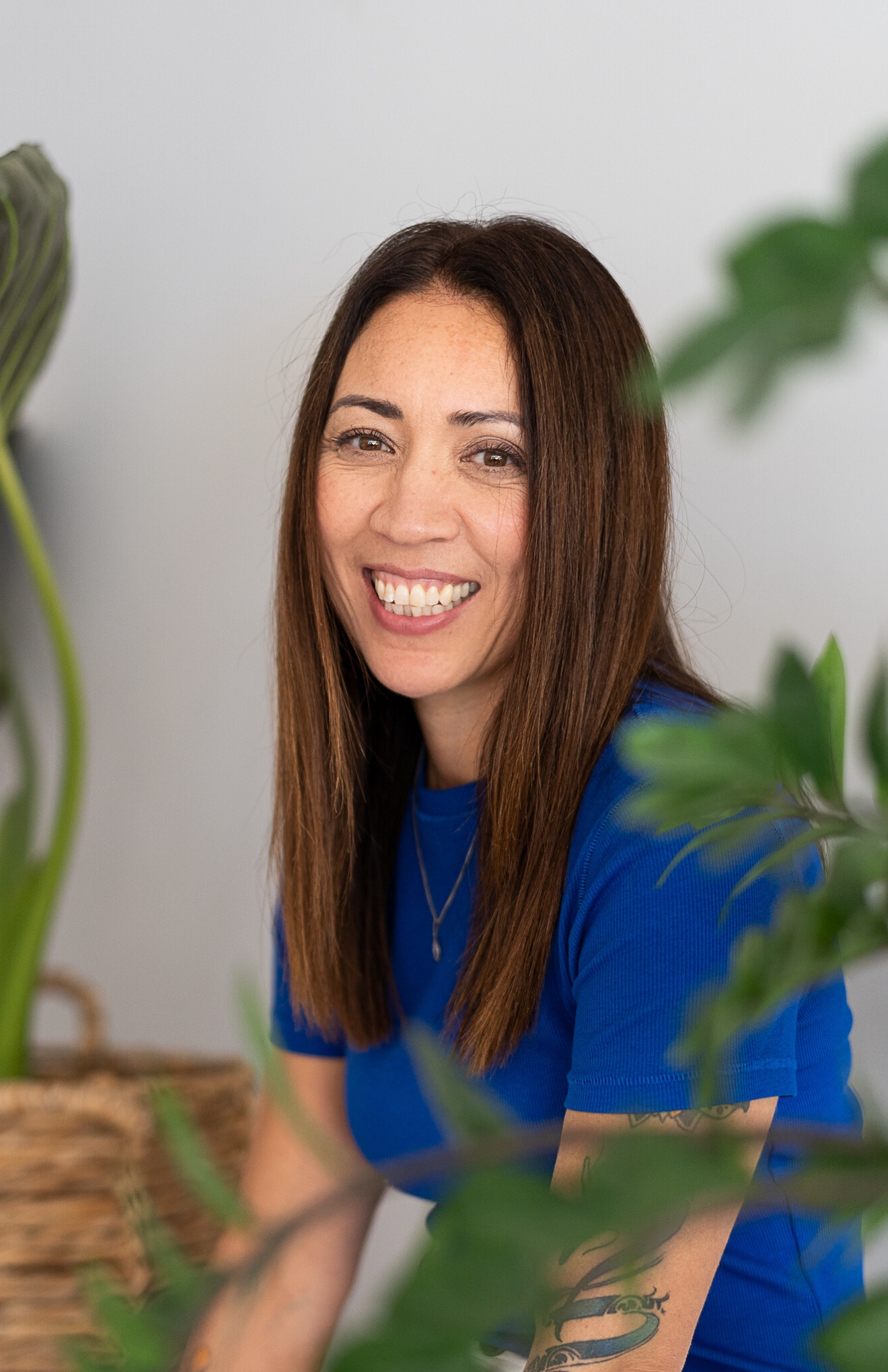
I am the founder of The Happy Reset and an integrative wellbeing practitioner specialising in nervous system health, anxiety, intergenerational trauma patterns, women’s health, and nutrigenomics. My mission is to help you move beyond ‘overriding’ your body and start understanding the messages behind your symptoms.
My Expertise & Qualifications: With over 20 years of experience in community-based settings and corporate wellness, I bridge the gap between complex science and lived experience. I am a:
Member of BAATN – The Black, African and Asian Therapy Network.
Member of ACCPH – Accredited Counsellors, Coaches, Psychotherapists and Hypnotherapists.
International Certified Brainspotting Practitioner – Phases 1-4, Group Brainspotting and Masterclass.
Certified TRE® Provider – Tension & Trauma Release Process, and member of TRE International.
Healing Diets Coach – with a specialism in Nervous System Nutrigenomics
Functional Fitness Coach – Level 4 and UK Athletics Coach
With an Integrative Approach to Healing – I work with individuals and groups who feel wired, depleted, or disconnected – often as a result of chronic stress, hormonal shifts, chronic fatigue, or inherited family patterns. My approach is deeply personal, shaped by my own journey through developmental trauma, medical intervention, menopause, and professional burnout.
By combining trauma-informed movement, genetics, and body-led practices, I translate complex physiological concepts into grounded, accessible insights you can use in daily life.
Speaking & Impact: I am a featured facilitator and speaker at Transform Trauma (The world’s largest trauma conference), The Therapy Show, and various festivals.
Written for Liz Earle Wellbeing and have delivered workshops and events for global organisations such as GE Healthcare, GE Power and Kiddylicious.
Based in Beaconsfield and London, I offer education and resources online and in-person through The Happy Reset – designed to support sustainable change across mind, body, and nourishment.
Learn More about services: Brainspotting | Trauma Release | Nutrigenomics
Connect with me on LinkedIn | Explore nervous system resources on YouTube