
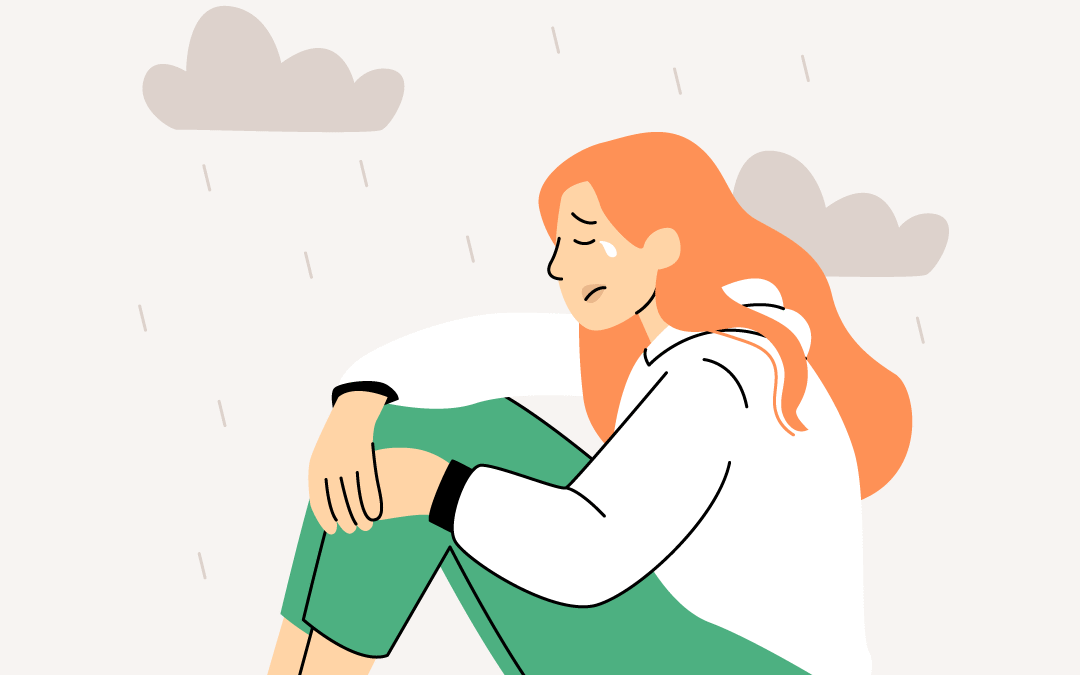
“Everyone keeps telling me to ‘get over it’, but I don’t want to get over losing my mum. I don’t want to move on if it means leaving her behind.”
That heartbreaking statement from my client Ananya reveals one of the biggest misunderstandings around grief: the belief that healing means forgetting. That we should stop feeling once someone we love is gone.
But what if grief isn’t a problem to be fixed? What if it’s love that has nowhere else to go?
In this blog, I’ll show you a different approach – one that honours your love, supports your body, and helps you live fully while still carrying your loss.
Grief Isn’t Something You Get Over
Grief isn’t the opposite of love. It’s love with no place to land. When someone dies, your connection doesn’t disappear. The love continues, but needs new ways to express itself.
Trying to ‘get over’ grief often makes things worse. Not just emotionally, but physically too.
Grief lives in the body as much as the heart. It disrupts your nervous system, immune function, sleep, digestion, and even your brain chemistry. That’s why you can’t think your way out of it – because it isn’t just a mental state. It’s a full-body experience.
Your genetics influence this too. Variants in the DAO gene (which affects histamine processing) can amplify your physical symptoms when grieving. If your body struggles to clear histamine, emotional stress can trigger headaches, skin issues, stomach pain, or fatigue.
As Elisabeth Kübler-Ross said: “You will not ‘get over’ the loss of a loved one; you will learn to live with it.”
Step 1: Let Your Body Grieve in Its Own Way
What most people try: Forcing themselves to carry on, pushing through the exhaustion, ignoring the pain.
What actually helps: Honouring how your unique body processes grief and allowing space to heal.
Grief alters your biology:
- Sleep becomes disrupted
- Your immune system lowers
- Appetite may disappear or spike
- Pain, tension, or digestive issues increase
- Emotional waves come in cycles, not stages
If you have slower DAO variants, histamine builds up more easily, leading to inflammation. This explains why some people feel physically worse during grief than others.
What your body needs:
- Rest, without guilt
- Hydrating and anti-inflammatory foods
- Gentle movement (not forced exercise)
- Emotional space, without performance pressure
Ananya had intense stomach cramps and migraines after her mother’s death. Understanding her genetic blueprint helped her realise why certain foods and stressors worsened her symptoms. Adjusting her diet and slowing down brought physical relief and emotional steadiness.
Step 2: Create Containers for Continuing Connection
What most people try: Avoiding all reminders to escape the pain or clinging so tightly to memories they can’t live in the present.
What actually helps: Creating rituals and spaces where your love still has somewhere to go.
Your relationship didn’t end. It changed form. You can still talk to them, remember them, honour them – in ways that give structure, rather than overwhelm.
Try grief containers like:
- Morning tea or coffee with their photo
- Weekly rituals, like cooking their favourite dish
- Visiting a place they loved each season
- Talking to them when you need guidance
These rituals aren’t about keeping you stuck, they help your nervous system make sense of the loss – offering predictability, emotional processing, and moments of presence.
Ananya found peace in her morning tea ritual with her mum’s photo, and their weekly visits to the garden centre lived on. Instead of avoiding reminders, she restructured them into sacred connection points.
Step 3: Let Sorrow and Joy Coexist
What most people try: Suppressing joy because it feels like betrayal. Or waiting until grief is “done” to feel happiness again.
What actually helps: Understanding your heart is big enough to hold both pain and joy. They’re not opposites. They’re partners.
One of grief’s cruelest tricks is convincing you that if you smile, you must not have loved enough. But joy doesn’t dishonour your grief, it gives it meaning. The depth of your sorrow only exists because of the depth of your love.
Here’s what’s also true:
- You can laugh while still missing them
- You can build new memories while carrying old ones
- You can feel joy without guilt
- You can grieve with your whole body and still live a vibrant life
Grief asks us to live in paradox: to hold sorrow and gratitude, absence and presence, memory and movement, all at once.
Ananya’s breakthrough came unexpectedly: “The first time I laughed really hard after Mum died, I felt awful. Then I realised, she would have loved that I was laughing again.”
How Your Genes Can Shape Your Grief
Genetics don’t define your grief, but they do shape how it feels physically. Your DAO gene (diamine oxidase) helps break down histamine, a compound that increases during stress and emotional upheaval.
If you have slower DAO variants, you may experience:
- Intense headaches, skin flare-ups, or IBS during grief waves
- Prolonged fatigue and inflammation
- Stronger reactions to certain foods or smells
On the other hand, faster DAO processors may feel more physically resilient, but still experience deep emotional waves.
To support your system:
- Avoid high-histamine foods like aged cheese, wine, and leftovers during intense grief periods
- Increase DAO-supportive nutrients (vitamin C, B6, copper)
- Focus on gut health and hydration
When you understand your genetics, you stop blaming yourself for the way grief affects you. You stop feeling weak, and start feeling wise.
Grief Is Not a Tunnel – It’s a Transformation
Grief isn’t a tunnel you walk through and exit at the other side. It’s a winding path you learn to navigate with time, tenderness, and tools.
You don’t “move on” from those you love. You move with them, evolving your relationship in ways that are quieter, but no less meaningful.
You don’t need to fix your grief. You need to understand it, support it, and let it become part of the landscape of your life.
As Ananya said: “I used to think grief meant something was wrong with me. Now I know it means something was beautifully right with us.”
Move Through Grief with Grace
If you’re grieving and feel lost in your body, your mind, or your energy – there’s another way.
The Happy Reset’s 3-Step Process combines somatic tools, nutritional guidance, and genetic insight to help you move with grief rather than fight against it.
Take The Next Step:
Download my free Nervous System TOOLKIT – A helpful resource you can take anywhere
Book a Discovery Call HERE – If you’re ready to dive deeper into your personal Happy Reset blueprint
If you’re a HR manager or Executive looking for high-tier coaching – Take a look at the WORKPLACE RESET page to get support for your teams and employees
If you’d like to book me for your event, keynote or podcast – Fill out this FORM
Remember: Grief isn’t a wound to be closed, it’s a doorway to a deeper love. You deserve space, support, and compassion, not a deadline.
“Grief is the price we pay for love.” – Queen Elizabeth II. And love, as we know, never truly ends.
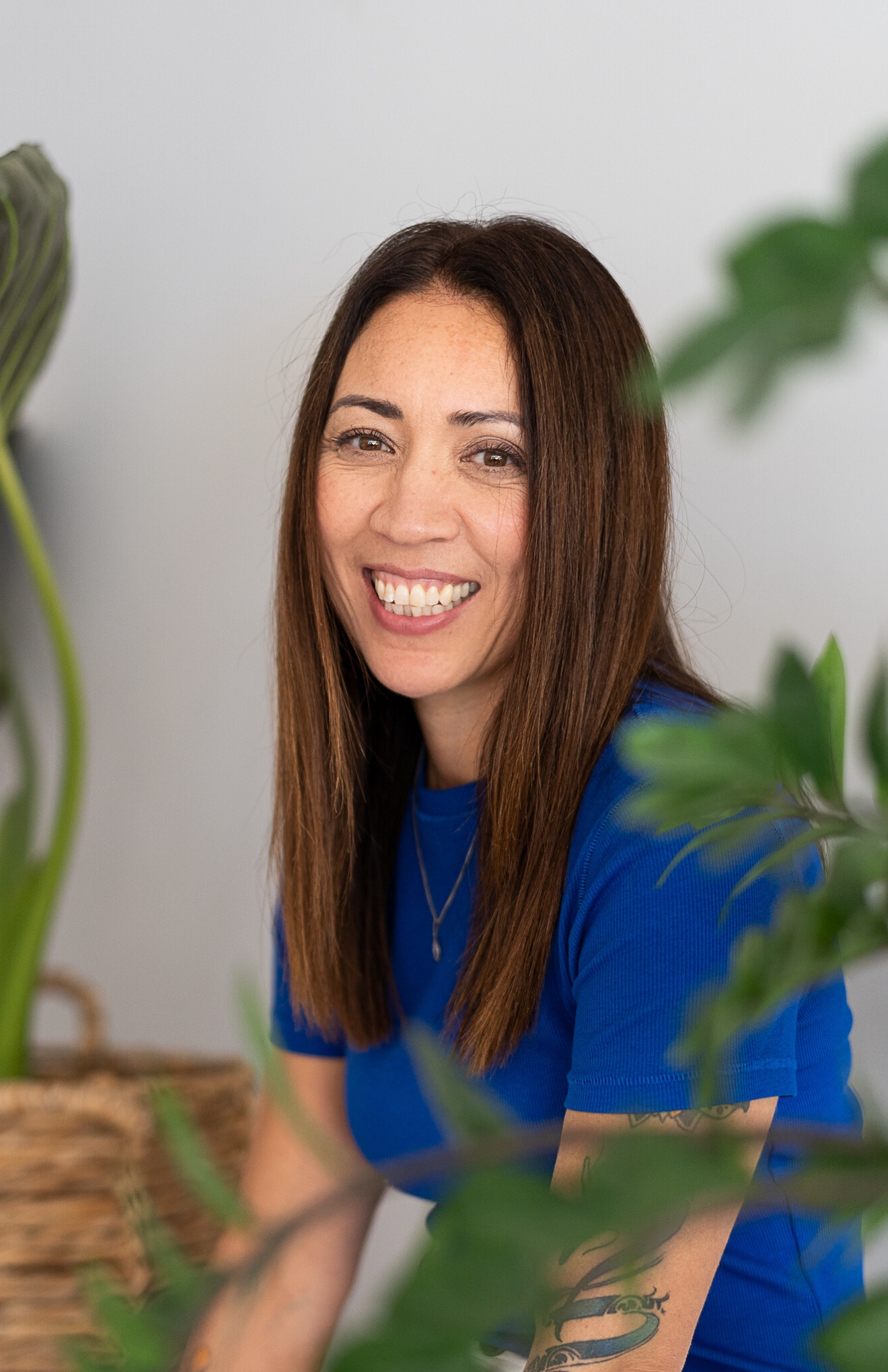
I am the founder of The Happy Reset and an integrative wellbeing practitioner specialising in nervous system health, anxiety, intergenerational trauma patterns, women’s health, and nutrigenomics. My mission is to help you move beyond ‘overriding’ your body and start understanding the messages behind your symptoms.
My Expertise & Qualifications: With over 20 years of experience in community-based settings and corporate wellness, I bridge the gap between complex science and lived experience. I am a:
Member of BAATN – The Black, African and Asian Therapy Network.
Member of ACCPH – Accredited Counsellors, Coaches, Psychotherapists and Hypnotherapists.
International Certified Brainspotting Practitioner – Phases 1-4, Group Brainspotting and Masterclass.
Certified TRE® Provider – Tension & Trauma Release Process, and member of TRE International.
Healing Diets Coach – with a specialism in Nervous System Nutrigenomics
Functional Fitness Coach – Level 4 and UK Athletics Coach
With an Integrative Approach to Healing – I work with individuals and groups who feel wired, depleted, or disconnected – often as a result of chronic stress, hormonal shifts, chronic fatigue, or inherited family patterns. My approach is deeply personal, shaped by my own journey through developmental trauma, medical intervention, menopause, and professional burnout.
By combining trauma-informed movement, genetics, and body-led practices, I translate complex physiological concepts into grounded, accessible insights you can use in daily life.
Speaking & Impact: I am a featured facilitator and speaker at Transform Trauma (The world’s largest trauma conference), The Therapy Show, and various festivals.
Written for Liz Earle Wellbeing and have delivered workshops and events for global organisations such as GE Healthcare, GE Power and Kiddylicious.
Based in Beaconsfield and London, I offer education and resources online and in-person through The Happy Reset – designed to support sustainable change across mind, body, and nourishment.
Learn More about services: Brainspotting | Trauma Release | Nutrigenomics
Connect with me on LinkedIn | Explore nervous system resources on YouTube