

“I can’t stop thinking about food, but I’m not actually hungry. I’ll eat a full meal and still feel like something’s missing. I crave comfort foods but they don’t actually comfort me anymore. It’s like my body is looking for something that food can’t provide.”
This confusion from my client Hana reveals something profound: sometimes we’re not eating for physical hunger. We’re eating for nervous system safety. You’re not broken for craving comfort beyond calories.
Understanding Food as Nervous System Communication
Food doesn’t just provide calories – it provides information to your nervous system about safety and care. Your brain and gut are in constant communication, and what you eat directly influences your mood and sense of security.
When your nervous system feels unsafe, it might seek specific foods that provide immediate comfort. This isn’t weakness. It’s your body’s intelligent attempt to self-regulate. As Maya Angelou wisely said, “Listen to yourself and in that quietude you might hear the voice of God.”
Your DRD1 variants influence your dopamine system, affecting how rewarding different foods feel. Understanding these variants helps explain why certain foods feel comforting whilst others leave you unsatisfied.
Why Comfort Eating Isn’t Just About Comfort
When you reach for food for emotional reasons, you might think you’re being self-destructive, but you’re seeking neurochemical support for your nervous system.
Certain foods can increase serotonin production, trigger dopamine release, stabilise blood sugar, and create physical warmth that signals safety.
Hana realised her evening food searching happened on days when she felt overwhelmed. Her body was trying to create safety through food.
Food 1: Warm, Grounding Foods That Signal Security
What it looks like: Craving soups, stews, porridge, or anything that feels hearty and grounding.
What your nervous system is seeking: Physical warmth, substantial nourishment, and the experience of being cared for.
Your dopamine variants influence how satisfying these comfort foods feel. If you have variants that support higher sensitivity, you might find these foods genuinely comforting.
Why warm foods help:
- Physical warmth signals safety to your nervous system
- Substantial foods provide sustained energy preventing blood sugar crashes
- The ritual of preparing warm food can be soothing
- These foods contain nutrients that support neurotransmitter production
Examples:
- Bone broth with vegetables
- Steel-cut oats with cinnamon
- Lentil soups and stews
- Roasted root vegetables
Hana discovered that homemade vegetable soup satisfied her evening cravings much more effectively than biscuits. The warmth signalled care to her nervous system.
Food 2: Protein-Rich Foods That Stabilise and Strengthen
What it looks like: Craving eggs, nuts, seeds, fish, especially during stress or when feeling emotionally unsteady.
What your nervous system is seeking: Stable blood sugar, sustained energy, and building blocks for neurotransmitter production.
Your DRD1 variants influence how your dopamine system responds to protein. Protein provides tyrosine, a precursor to dopamine production.
Why protein supports nervous system safety:
- Provides sustained energy preventing mood-disrupting blood sugar swings
- Contains amino acids that are building blocks for calming neurotransmitters
- Creates genuine satiety lasting longer than carbohydrate-only foods
- Supports stable mood and emotional regulation
Protein foods that support stability:
- Eggs (especially pastured)
- Nuts and seeds
- Wild-caught fish
- Legumes and beans
Hana noticed that including protein in breakfast decreased her afternoon and evening cravings dramatically. Her nervous system felt more stable throughout the day.
Food 3: Magnesium-Rich Foods That Calm and Relax
What it looks like: Craving dark chocolate, leafy greens, nuts, especially when feeling anxious or unable to relax.
What your nervous system is seeking: Natural relaxation support and minerals that help down-regulate from stress.
Why magnesium supports nervous system safety:
- Essential for nervous system function and stress response
- Supports muscle relaxation and tension release
- Involved in calming neurotransmitter production
- Many people are deficient due to soil depletion and stress
Magnesium-rich foods:
- Dark leafy greens
- Raw cacao or high-quality dark chocolate
- Nuts and seeds
- Avocados
Hana’s chocolate cravings were strongest during stressful work periods. When she included more magnesium-rich foods throughout the day, her cravings became more manageable.
Chocolate provides magnesium, triggers endorphin release, and supports serotonin production. Your body might be intelligently seeking these effects when stressed.
How DRD1 Variants Affect Food Satisfaction
If you have variants that support higher dopamine sensitivity:
- You might find comfort foods satisfying in smaller amounts
- Simple, high-quality foods might provide adequate satisfaction
If you have variants associated with lower dopamine sensitivity:
- You might need more flavourful, complex foods to feel satisfied
- You might require larger portions to achieve the same effect
Supporting your DRD1 function:
- Include protein foods that provide tyrosine for dopamine production
- Engage with foods that match your natural reward sensitivity
- Pay attention to which foods leave you genuinely satisfied
Creating Food Safety vs. Food Control
Food for nervous system support:
- Choosing foods that genuinely nourish and stabilise
- Eating in response to actual nervous system needs
- Feeling satisfied and cared for after eating
Food for emotional control:
- Using food to numb or avoid difficult feelings
- Eating compulsively without genuine satisfaction
- Feeling worse after eating
Your Food Safety Signals
Foods that create genuine safety:
- Leave you feeling satisfied and cared for
- Support stable energy and mood
- Don’t trigger shame or regret
Foods that provide temporary distraction:
- Create short-term pleasure followed by energy crashes
- Leave you wanting more immediately
- Often trigger shame or physical discomfort
Building Your Personal Food Safety Toolkit
Develop your own understanding of which foods genuinely support your nervous system:
- Experiment with timing: Notice when you crave different foods
- Track satisfaction: Pay attention to which foods leave you genuinely satisfied
- Consider your genetics: Your DRD1 variants give information about what rewards work best
- Include ritual: Sometimes safety comes from preparing and eating mindfully
Hana’s discovery: “When I stopped judging my cravings and started investigating what my nervous system needed, everything changed. Sometimes it was warm soup, sometimes protein, sometimes magnesium-rich meals.”
Your Food Wisdom is Trustworthy
Your body’s food preferences contain intelligent information about what your nervous system needs. Learning to decode this information helps you develop a truly nourishing relationship with food.
Your comfort food cravings are attempts at self-care that deserve curiosity and compassion.
Hana’s insight: “I realised my body had been trying to take care of me through food all along. When I learned to listen and respond with genuine care, the desperate quality of my eating completely changed.”
Take the Next Step:
Download my free Nervous System TOOLKIT – A helpful resource you can take anywhere
Book a Discovery Call HERE – If you’re ready to dive deeper into your personal Happy Reset blueprint
If you’re a HR manager or Executive looking for high-tier coaching – Take a look at the WORKPLACE RESET page to get support for your teams and employees
If you’d like to book me for your event, keynote or podcast – Fill out this FORM
Remember: Your food cravings aren’t the enemy, it is information about what your nervous system needs for safety and care. You deserve to understand and honour these requests with wisdom and compassion.
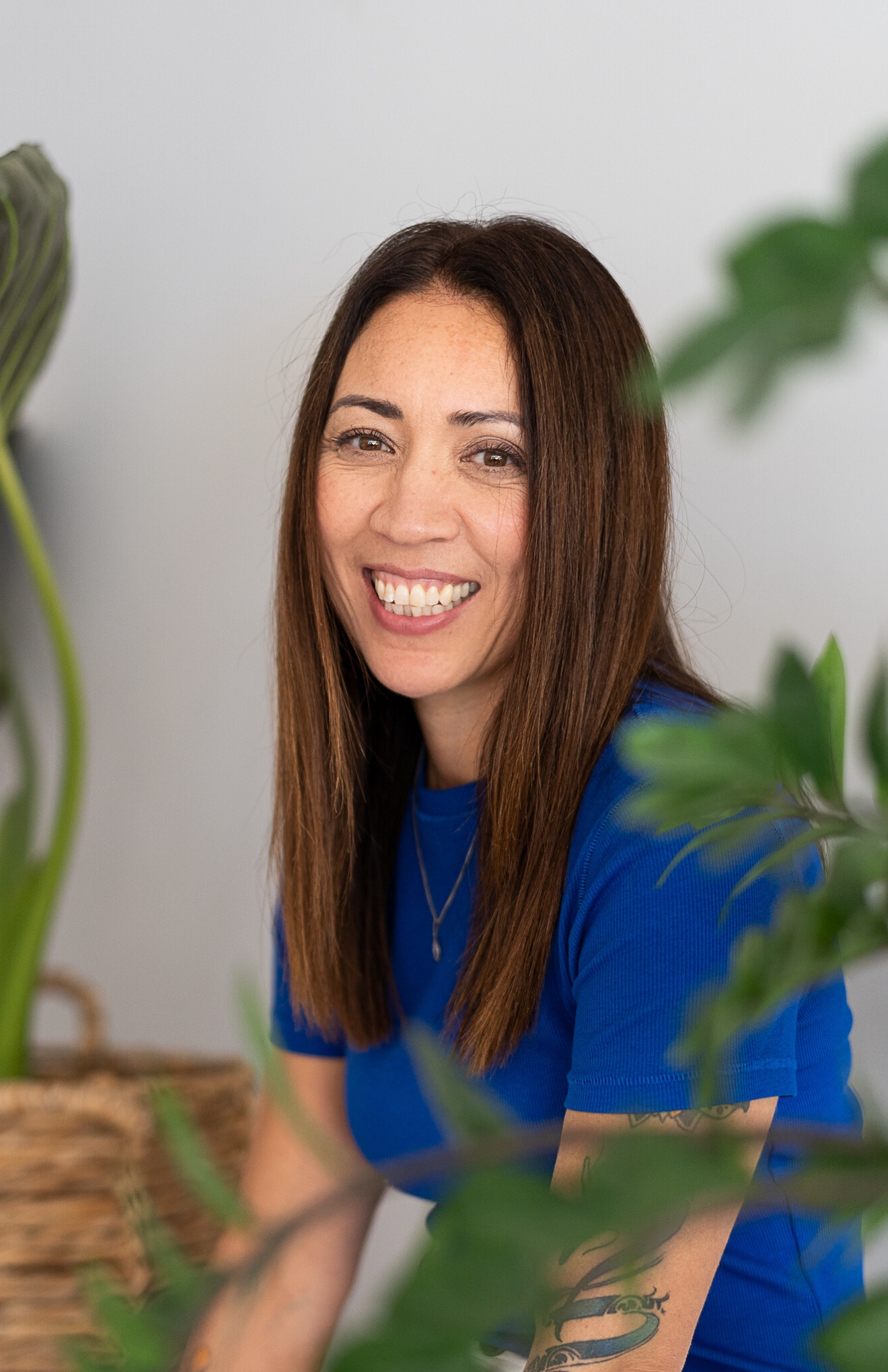
I am the founder of The Happy Reset and an integrative wellbeing practitioner specialising in nervous system health, anxiety, intergenerational trauma patterns, women’s health, and nutrigenomics. My mission is to help you move beyond ‘overriding’ your body and start understanding the messages behind your symptoms.
My Expertise & Qualifications: With over 20 years of experience in community-based settings and corporate wellness, I bridge the gap between complex science and lived experience. I am a:
Member of BAATN – The Black, African and Asian Therapy Network.
Member of ACCPH – Accredited Counsellors, Coaches, Psychotherapists and Hypnotherapists.
International Certified Brainspotting Practitioner – Phases 1-4, Group Brainspotting and Masterclass.
Certified TRE® Provider – Tension & Trauma Release Process, and member of TRE International.
Healing Diets Coach – with a specialism in Nervous System Nutrigenomics
Functional Fitness Coach – Level 4 and UK Athletics Coach
With an Integrative Approach to Healing – I work with individuals and groups who feel wired, depleted, or disconnected – often as a result of chronic stress, hormonal shifts, chronic fatigue, or inherited family patterns. My approach is deeply personal, shaped by my own journey through developmental trauma, medical intervention, menopause, and professional burnout.
By combining trauma-informed movement, genetics, and body-led practices, I translate complex physiological concepts into grounded, accessible insights you can use in daily life.
Speaking & Impact: I am a featured facilitator and speaker at Transform Trauma (The world’s largest trauma conference), The Therapy Show, and various festivals.
Written for Liz Earle Wellbeing and have delivered workshops and events for global organisations such as GE Healthcare, GE Power and Kiddylicious.
Based in Beaconsfield and London, I offer education and resources online and in-person through The Happy Reset – designed to support sustainable change across mind, body, and nourishment.
Learn More about services: Brainspotting | Trauma Release | Nutrigenomics
Connect with me on LinkedIn | Explore nervous system resources on YouTube