
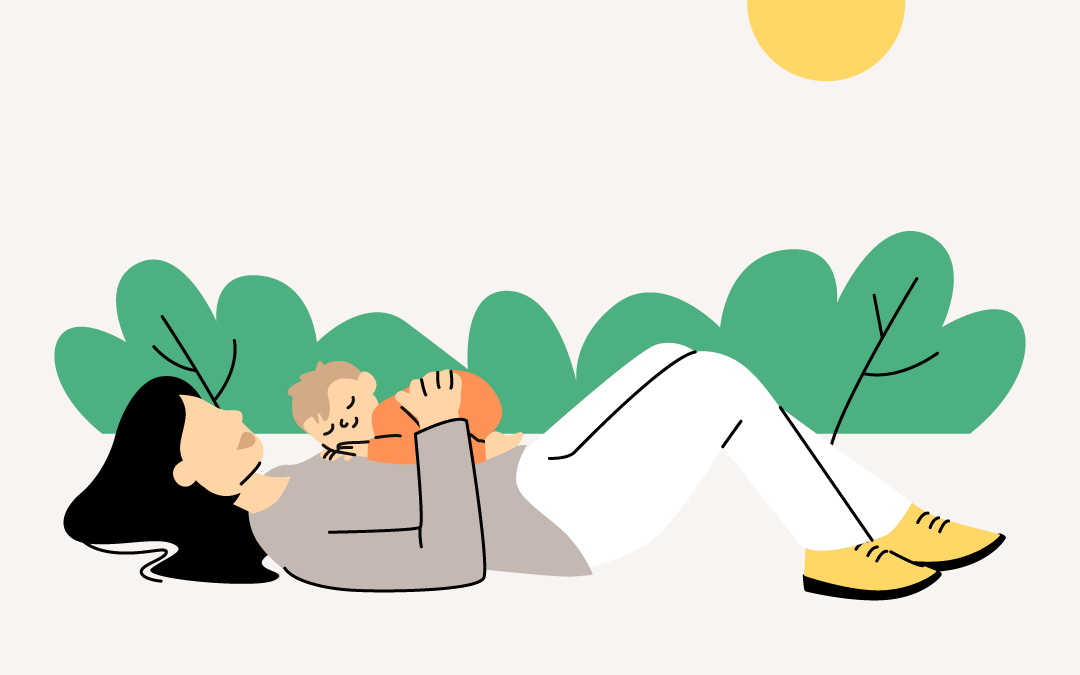
“I’m surrounded by people but feel completely alone. I go to social events and feel more isolated than when I’m by myself. Everyone says I should ‘put myself out there more’ and ‘just talk to people,’ but conversation feels impossible when I can barely connect with myself.”
This message from my client Maya captures something I see constantly: people trying to solve loneliness through talking when what they actually need is deeper connection at the nervous system level.
Understanding Connection Beyond Words
True connection is about nervous system safety and feeling truly seen. You can have hours of conversation and feel disconnected, or share silent moments that feel deeply nourishing.
When you’re feeling lonely, your nervous system is often in a protective state that makes genuine connection feel impossible. You might be physically present but energetically unavailable.
As Maya Angelou wisely said, “When we know better, we do better.” Connection starts with feeling safe in your own body through The Happy Reset 3-Step Process.
Your DRD1 variants affect your dopamine system, which plays a crucial role in social bonding. Understanding these variants helps explain why some interactions feel rewarding whilst others feel depleting.
Why Traditional Social Advice Often Fails
Most advice assumes loneliness is a communication problem: if you just talk more or join more groups, you’ll feel connected. But loneliness is often a nervous system problem, not a social skills problem.
When your nervous system is protective, it’s not available for connection. You might socialise whilst your system remains guarded.
Maya could have pleasant conversations at events, but she’d leave feeling like she’d been performing rather than connecting.
Way 1: Regulate Your Nervous System Through Movement
What most people try: Force themselves into social situations when their nervous system feels activated.
What actually works: Use gentle movement to help your nervous system settle into a state where connection feels possible.
Your nervous system communicates through your body before words. When you’re disconnected, your body often holds tension that signals to others you’re not available for connection.
Movement for connection preparation:
- Gentle stretching that releases protective tension
- Walking or swaying that activates your nervous system’s natural rhythm
- Dancing alone to music that makes you feel alive
- Yoga that opens your chest and shoulders
Maya discovered that five minutes of gentle dancing before social events completely changed her experience. The movement helped her nervous system settle and her energy become more open.
When your body feels relaxed and alive, your nervous system signals safety to others. People unconsciously respond to your nervous system state, not just your words.
Way 2: Practice Presence Without Performance
What most people try: Focus on what to say or how to appear confident in social situations.
What actually works: Practice simply being present without trying to create any particular impression.
When you’re performing socially, you’re not connecting, you’re managing others’ perceptions, which requires enormous energy and prevents genuine intimacy. True connection happens when two nervous systems feel safe to be authentic together.
Presence practices:
- Sit quietly with someone without feeling responsible for conversation
- Practice genuine eye contact without agenda
- Focus on your breath during interactions
- Allow silences without rushing to fill them
Non-verbal presence exercises:
- Sitting in nature with a friend without talking
- Sharing meals in comfortable silence
- Walking together without constant conversation
- Creative activities done side by side
Maya started meeting friends for silent walks. Without pressure to maintain conversation, she could actually feel their presence. These wordless connections felt more nourishing than hours of traditional socialising.
Way 3: Create Energetic Safety Through Co-Regulation
What most people try: Try to connect whilst both nervous systems are activated or guarded.
What actually works: Practice co-regulation, where one calm nervous system helps another settle, creating safety for genuine connection.
Co-regulation is the biological foundation of healthy relationships. It’s how calm nervous systems help activated ones settle, and how two regulated systems amplify each other’s safety.
Creating energetic safety:
- Spend time with people whose presence helps you feel more like yourself
- Practice breathing together without talking
- Offer your calm presence when others are upset (without trying to fix them)
- Allow others to soothe your nervous system through their regulated presence
Co-regulation practices:
- Synchronised breathing with a friend or partner
- Sharing physical space whilst both engaged in calming activities
- Offering gentle physical comfort (if appropriate)
- Simply holding space for someone’s experience without changing it
Maya realised her most nourishing connections happened when she and her friend could be upset or vulnerable together without either person trying to fix the other. These moments created deeper intimacy than any conversation.
When your nervous systems are synchronised, you experience the biological foundation of bonding. This creates connection at a much deeper level than shared interests.
How DRD1 Variants Affect Your Connection Style
If you have variants that support higher dopamine sensitivity:
- You might find social connection naturally rewarding and energising
- You might prefer more active, stimulating forms of connection
If you have variants associated with lower dopamine sensitivity:
- You might need more meaningful, intimate connections to feel satisfied
- You might prefer quieter, deeper forms of connection over group socialising
- You might find large social events draining rather than energising
Supporting your DRD1 function:
- Match your social activities to your natural dopamine preferences
- Engage in movement that supports healthy dopamine function
- Seek connections that genuinely reward your particular nervous system
The Connection-Loneliness Paradox
Sometimes the cure for loneliness isn’t more social interaction. It’s deeper connection with yourself so you can be genuinely present with others rather than performing.
Maya felt less lonely spending quiet time alone in nature than at busy social events. Once she honoured this pattern, she could choose social interactions that actually nourished her.
How The Happy Reset 3-Step Process Enhances Connection
Step 1 – Body: Understanding your DRD1 variants helps explain your natural connection style and what types of social interaction genuinely reward your nervous system.
Step 2 – Mind: Processing beliefs about connection that create pressure to socialise in ways that don’t suit your nervous system.
Step 3 – Food: Supporting your dopamine system through nutrition that enhances your natural capacity for social bonding.
Your Connection Style is Valid
Whether you connect through deep conversation, shared silence, movement, creativity, or any other way that helps your nervous system feel safe and open, your style is valid.
The goal isn’t to force yourself to connect like everyone else. You can discover and honour the types of connection that genuinely nourish your particular system.
Maya’s wisdom: “I stopped trying to connect the way I thought I should and started experimenting with what actually felt good to my nervous system. Silent walks, creative projects with friends, cooking together without constant conversation. These connections felt real.”
True connection happens when two nervous systems feel safe enough to be authentic together. Your loneliness isn’t necessarily a sign you need more social interaction. It might be a sign you need different kinds of interaction that actually nourish your nervous system.
Take the Next Step:
Download my free Nervous System TOOLKIT – A helpful resource you can take anywhere
Book a Discovery Call HERE – If you’re ready to dive deeper into your personal Happy Reset blueprint
If you’re a HR manager or Executive looking for high-tier coaching – Take a look at the WORKPLACE RESET page to get support for your teams and employees
If you’d like to book me for your event, keynote or podcast – Fill out this FORM
Remember: Connection isn’t about performing relationships correctly, you deserve connections that truly nourish your unique system.
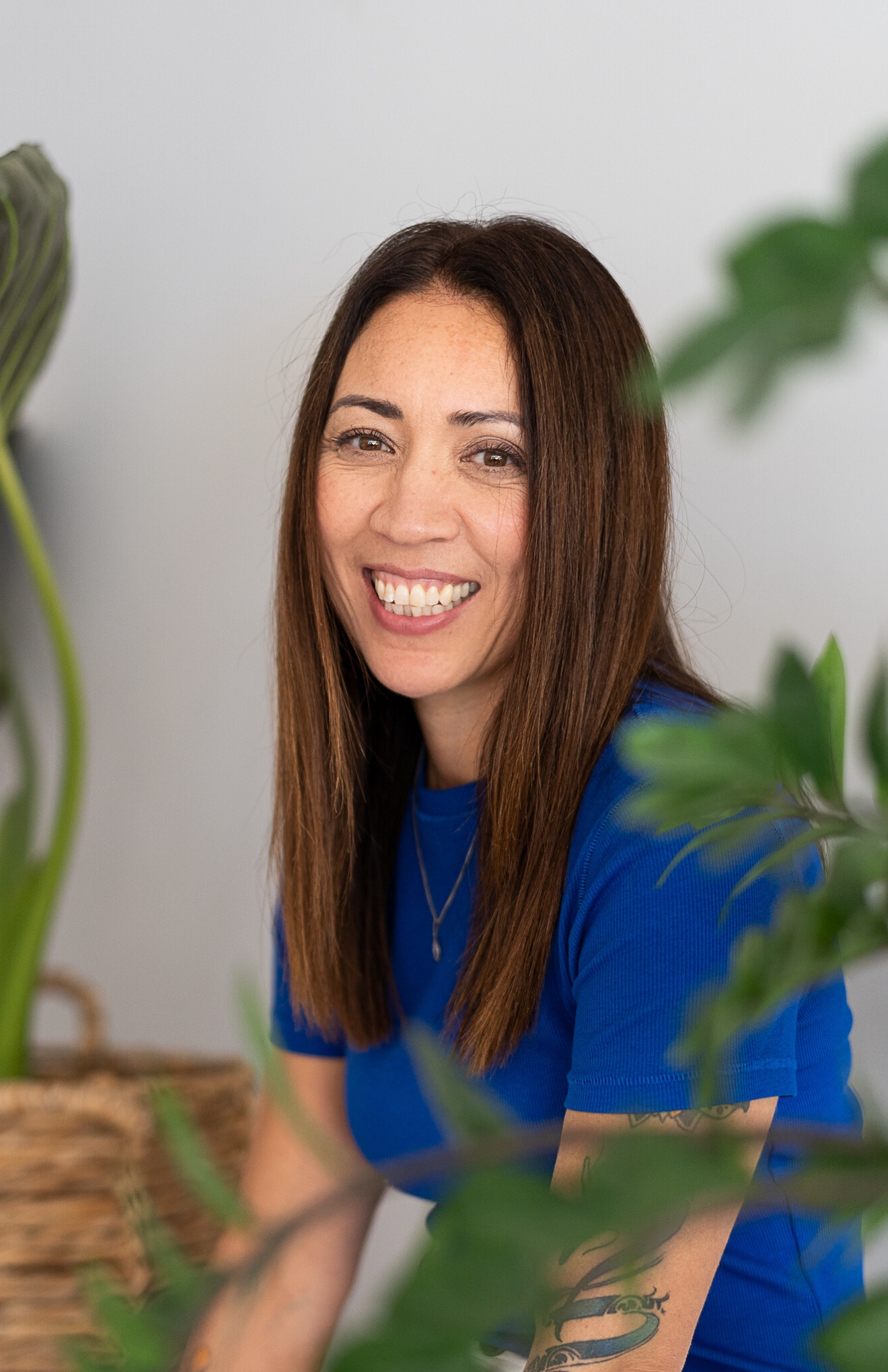
I am the founder of The Happy Reset and an integrative wellbeing practitioner specialising in nervous system health, anxiety, intergenerational trauma patterns, women’s health, and nutrigenomics. My mission is to help you move beyond ‘overriding’ your body and start understanding the messages behind your symptoms.
My Expertise & Qualifications: With over 20 years of experience in community-based settings and corporate wellness, I bridge the gap between complex science and lived experience. I am a:
Member of BAATN – The Black, African and Asian Therapy Network.
Member of ACCPH – Accredited Counsellors, Coaches, Psychotherapists and Hypnotherapists.
International Certified Brainspotting Practitioner – Phases 1-4, Group Brainspotting and Masterclass.
Certified TRE® Provider – Tension & Trauma Release Process, and member of TRE International.
Healing Diets Coach – with a specialism in Nervous System Nutrigenomics
Functional Fitness Coach – Level 4 and UK Athletics Coach
With an Integrative Approach to Healing – I work with individuals and groups who feel wired, depleted, or disconnected – often as a result of chronic stress, hormonal shifts, chronic fatigue, or inherited family patterns. My approach is deeply personal, shaped by my own journey through developmental trauma, medical intervention, menopause, and professional burnout.
By combining trauma-informed movement, genetics, and body-led practices, I translate complex physiological concepts into grounded, accessible insights you can use in daily life.
Speaking & Impact: I am a featured facilitator and speaker at Transform Trauma (The world’s largest trauma conference), The Therapy Show, and various festivals.
Written for Liz Earle Wellbeing and have delivered workshops and events for global organisations such as GE Healthcare, GE Power and Kiddylicious.
Based in Beaconsfield and London, I offer education and resources online and in-person through The Happy Reset – designed to support sustainable change across mind, body, and nourishment.
Learn More about services: Brainspotting | Trauma Release | Nutrigenomics
Connect with me on LinkedIn | Explore nervous system resources on YouTube