

When your plate sets the tone for your day
There’s a rhythm to how we eat that often flies under the radar, a pattern of meals and snacks and gaps that we fall into without much thought. And yet, the ways we fuel ourselves throughout the day can have a profound impact on how our nervous system functions, on the baseline level of ease or tension we’re operating from.
It’s not always obvious in the moment, the way a rushed breakfast or a skipped lunch might be subtly ramping up our anxiety, leaving us feeling edgy and overstretched. But over time, those small choices can start to add up, creating a background hum of physiological stress that colours everything else.
The unexpected link between blood sugar and anxiety
One of the key players in this dance between food and mood is blood sugar. When we go long stretches without eating, or when we rely heavily on quick-fix foods like sugary snacks or caffeine, our blood glucose levels can start to resembles a rollercoaster ride – spiking up rapidly, then crashing back down just as fast.
And for many people, particularly those who are hormonally sensitive or already prone to anxiety, that kind of volatility can be deeply destabilizing for the nervous system. It’s like sending our body a series of false alarm signals, telling it that there’s an emergency to be reckoned with, even when there’s no real threat at hand.
Protein, fat and fiber: The building blocks of calmer eating
So what kinds of foods can help bring us back to baseline, to a place of greater steadiness? One simple starting point is to focus on weaving more protein, healthy fats and slow-burning carbohydrates into our meals and snacks.
Things like eggs, yogurt, nuts, seeds, avocado, olive oil, leafy greens, lentils and whole grains – these are the kinds of foods that tend to give us a slower, more sustained release of energy, without the dramatic peaks and valleys that can leave us feeling so off-kilter.
The grounding power of a proper sit-down meal
Another piece of the puzzle is the how of eating, not just the what. When we’re constantly grabbing food on the go, or wolfing down meals standing up at the kitchen counter, we miss out on an important opportunity to drop into a more parasympathetic state – the “rest and digest” mode where our body can fully receive the nourishment we’re taking in.
That’s why the simple act of sitting down to a proper meal, even if it’s just for a few minutes longer than usual, can be such a potent nervous system reset. It’s a way of signaling to our body that we’re safe, that we can afford to let our guard down and focus inward for a spell.
Tuning into your own unique food-mood patterns
Of course, there’s no one-size-fits-all prescription when it comes to eating for anxiety relief. Some people find that they’re exquisitely sensitive to caffeine, for instance, while others can down an espresso after dinner and sleep like a baby. Some might notice that their anxiety spikes if they go too long without a snack, while others feel more grounded with fewer, larger meals.
The invitation here is to start paying closer attention to your own unique patterns, to the ways that different foods and eating rhythms land in your body. It’s a practice of self-attunement, of learning to read the subtle cues and signals that your nervous system is always sending you.
The enteric nervous system: Your ‘second brain’
One fascinating lens to view all of this through is the emerging science around the enteric nervous system – the vast network of neurons lining our gut that’s sometimes referred to as our “second brain”. Research is increasingly pointing to the profound ways that our digestive health shapes our mental and emotional well-being, and vice versa.
So when we talk about eating to support our nervous system, we’re not just talking about what’s happening in our head. We’re talking about tending to that intricate web of nerve cells and neurotransmitters that stretches all the way through our digestive tract, that’s constantly responding to and influencing our thoughts, our feelings, our stress levels.
A compassionate approach to change
It’s easy to take all of this and turn it into another set of rigid rules, another way to beat ourselves up for not getting it “right”. But the reality is that our relationship with food is often tangled up with all sorts of emotions, histories, and cultural conditioning, and untangling those threads is rarely a linear process.
What I’ve found, both in my own journey and in working with clients, is that change happens most readily when we approach it from a place of curiosity and self-compassion. When we can get genuinely interested in noticing how different ways of eating feel in our body, without judgment or agendas.
From that more spacious place, we can start to make small, incremental shifts – adding in a bit more protein here, slowing down for a few breaths before a meal there. And over time, those little changes can start to gain momentum, to gather into a new baseline of nervous system nourishment.
Bringing it all together
Of course, food is just one piece of the larger anxiety puzzle. There are so many other factors that can feed into that chronic sense of overwhelm – from unprocessed trauma to daily stressors to existential dread and everything in between.
And yet, the choices we make around food can be a powerful entry point, a tangible way to start sending different signals to our nervous system throughout the day. It’s a reminder that we have more agency than we might think, more capacity to shape the terrain that our anxiety is playing out upon.
If you’re feeling called to explore this territory more deeply, to examine the ways that food and anxiety are intertwined in your own life, I’d love to support you in that process with a 1:1 deep dive session. There are so many ways to begin bringing more intention and care to the way you’re fuelling your nervous system.
Take the Next Step
Download my free Nervous System TOOLKIT – A helpful resource you can take anywhere
Book a Discovery Call HERE – If you’re ready to dive deeper into your personal Happy Reset blueprint
If you’re a HR manager or Executive looking for high-tier coaching – Take a look at the WORKPLACE RESET page to get support for your teams and employees
If you’d like to book me for your event, keynote or podcast – Fill out this FORM
Remember – When the mind remembers a challenge or trauma, the body will always react in some way no matter how small. That felt sense can be the beginning to a gate opening. It’s up to you how wide you leave it open and for how long
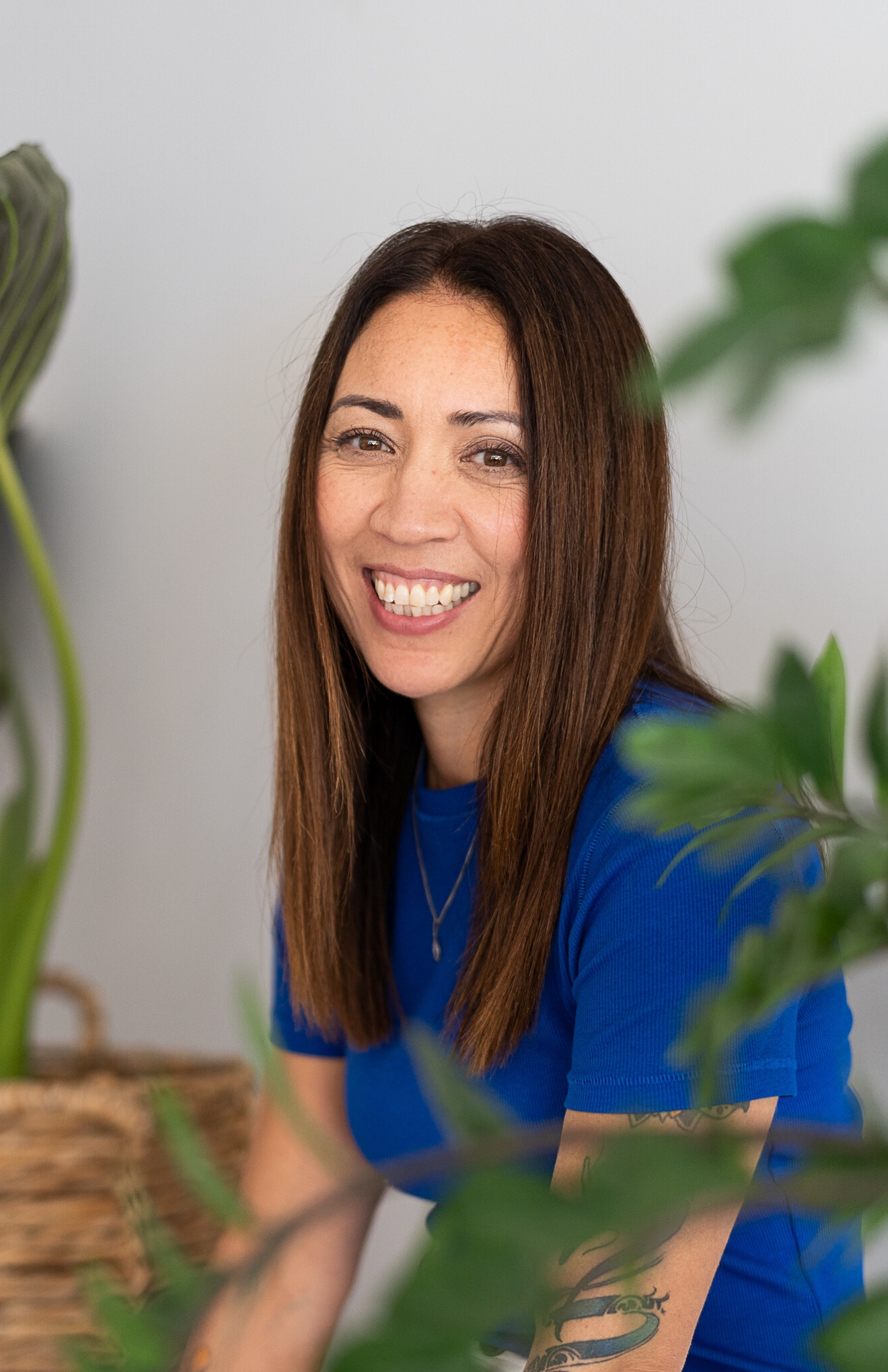
I am the founder of The Happy Reset and an integrative wellbeing practitioner specialising in nervous system health, anxiety, intergenerational trauma patterns, women’s health, and nutrigenomics. My mission is to help you move beyond ‘overriding’ your body and start understanding the messages behind your symptoms.
My Expertise & Qualifications: With over 20 years of experience in community-based settings and corporate wellness, I bridge the gap between complex science and lived experience. I am a:
Member of BAATN – The Black, African and Asian Therapy Network.
Member of ACCPH – Accredited Counsellors, Coaches, Psychotherapists and Hypnotherapists.
International Certified Brainspotting Practitioner – Phases 1-4, Group Brainspotting and Masterclass.
Certified TRE® Provider – Tension & Trauma Release Process, and member of TRE International.
Healing Diets Coach – with a specialism in Nervous System Nutrigenomics
Functional Fitness Coach – Level 4 and UK Athletics Coach
With an Integrative Approach to Healing – I work with individuals and groups who feel wired, depleted, or disconnected – often as a result of chronic stress, hormonal shifts, chronic fatigue, or inherited family patterns. My approach is deeply personal, shaped by my own journey through developmental trauma, medical intervention, menopause, and professional burnout.
By combining trauma-informed movement, genetics, and body-led practices, I translate complex physiological concepts into grounded, accessible insights you can use in daily life.
Speaking & Impact: I am a featured facilitator and speaker at Transform Trauma (The world’s largest trauma conference), The Therapy Show, and various festivals.
Written for Liz Earle Wellbeing and have delivered workshops and events for global organisations such as GE Healthcare, GE Power and Kiddylicious.
Based in Beaconsfield and London, I offer education and resources online and in-person through The Happy Reset – designed to support sustainable change across mind, body, and nourishment.
Learn More about services: Brainspotting | Trauma Release | Nutrigenomics
Connect with me on LinkedIn | Explore nervous system resources on YouTube